
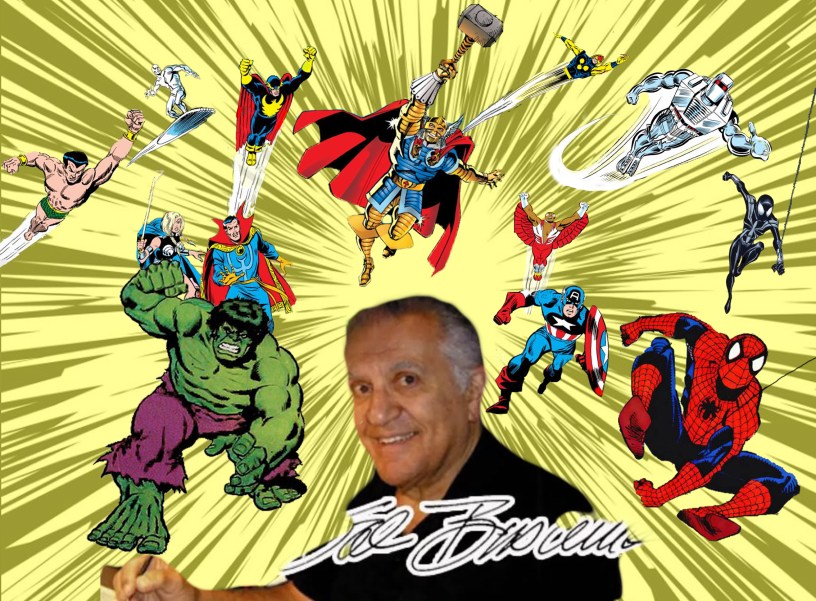
January 26th would have been the 90th birthday of Marvel Comics’ seminal artist Sal Buscema. While the anniversary was noted on social media by a few comics book aficionados, news came of his sudden passing three days earlier. Posthumous tributes started pouring in praising Sal’s talent, his contributions to Marvel, and his huge popularity among fans. .
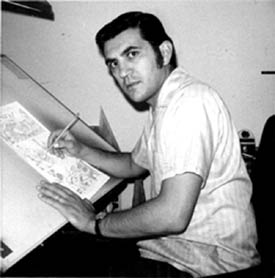
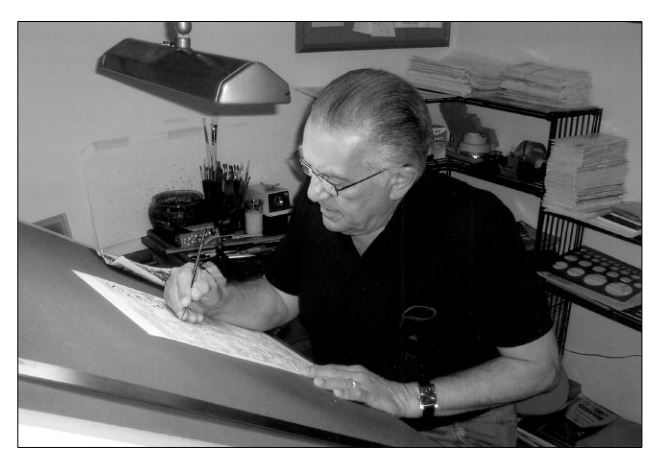
Although my Eureka Geek blog mainly deals with film, I’m also passionate about comics in all forms, from American comic books, to Japanese manga, and Franco-Belgian bande dessinées. I published my own tribute to Buscema one week after his passing for a French-speaking audience and now, nearly two months later, I would also like to share it to an English audience. It’s my hope that any readers who are fans of comics shall find my tribute adequately informative and entertaining.
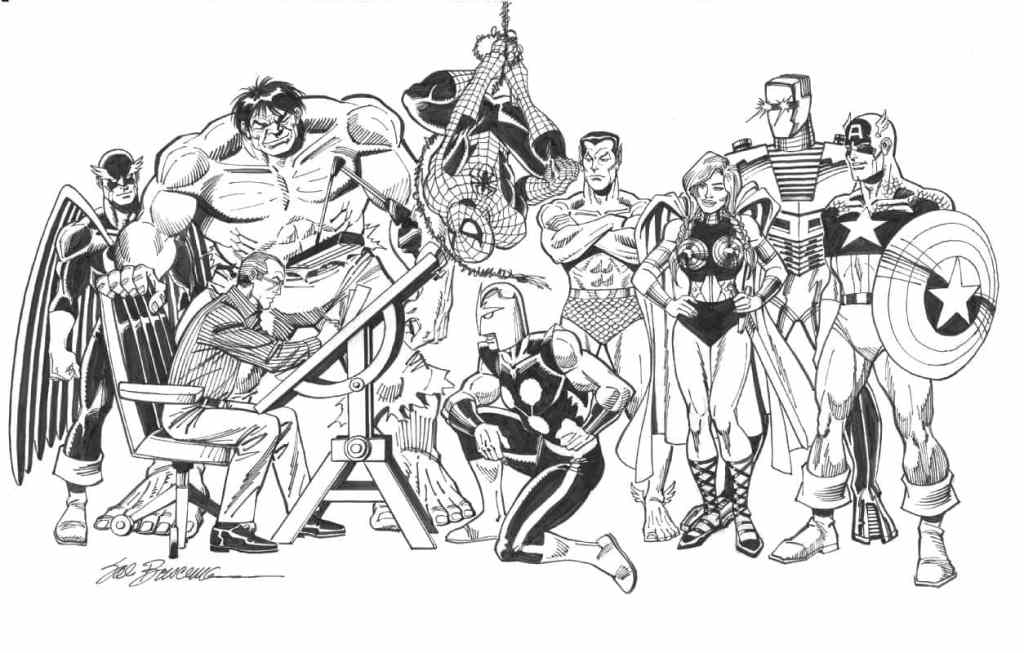
A KEY ARTIST IN MARVEL COMICS FOR MORE THAN THIRTY STRAIGHT YEARS’.
Sal Buscema was the younger brother of John Buscema, a defining creative figure himself, often called “the Michelangelo of comics”. While his fame never quite matched that of his elder sibling, Sal Buscema was nonetheless a pillar at Marvel Comics. As one of their most productive, efficient, and versatile artists, he was known as the “the workhorse,” a nickname that Sal himself took great pride in.
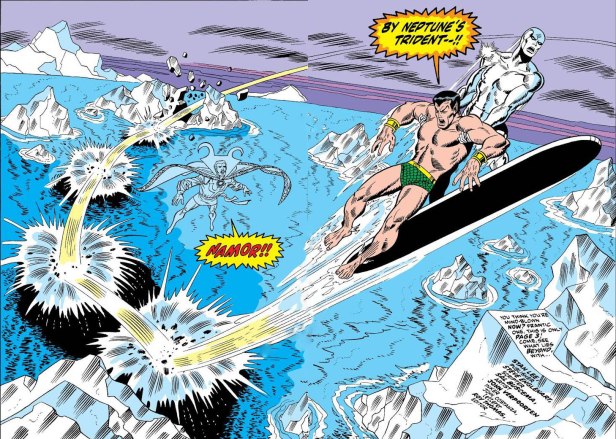
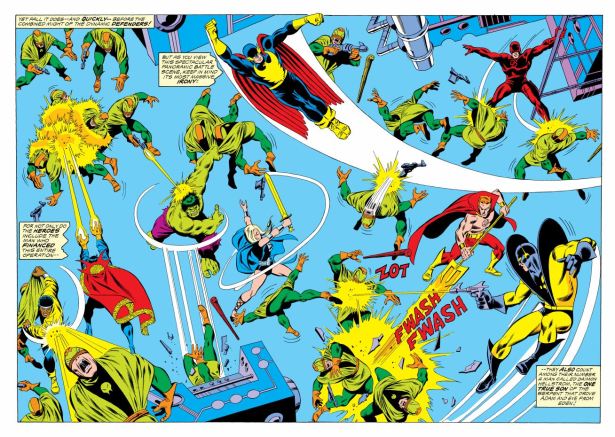
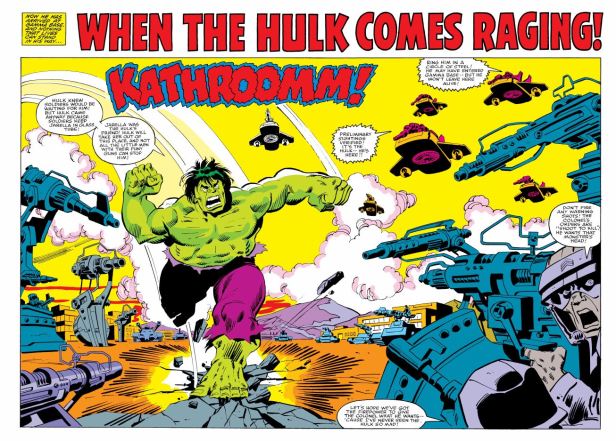
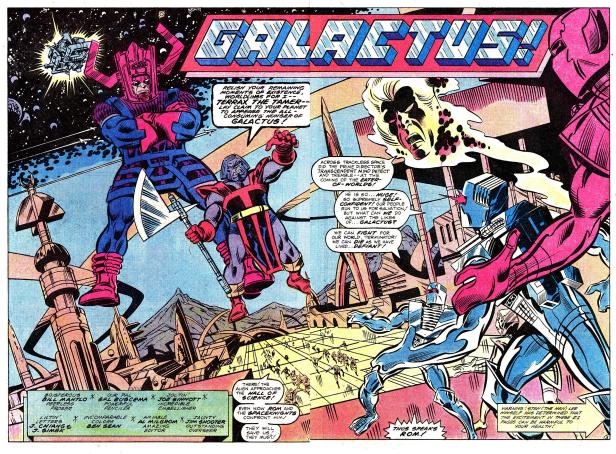
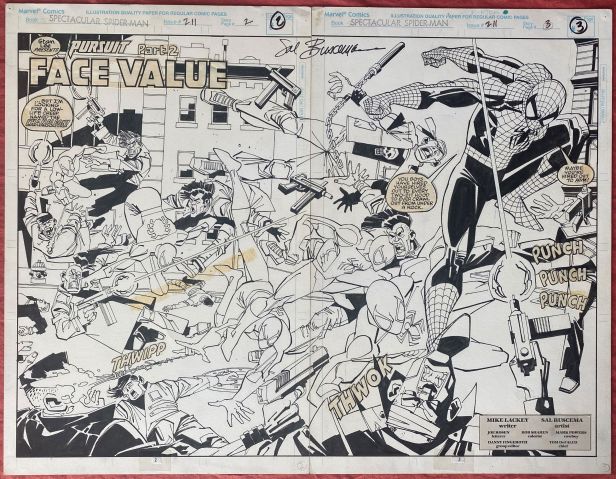
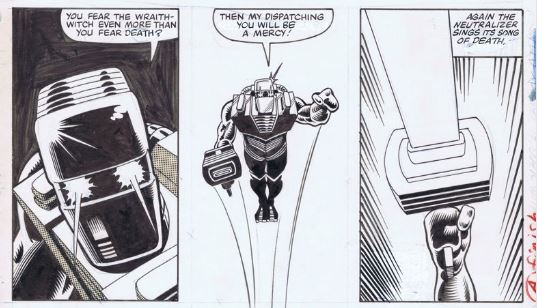
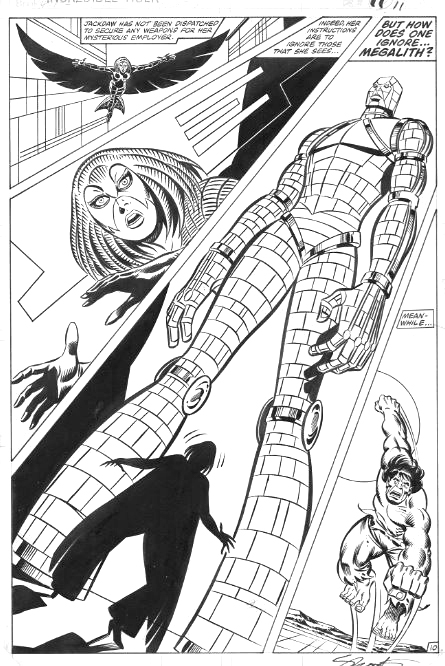
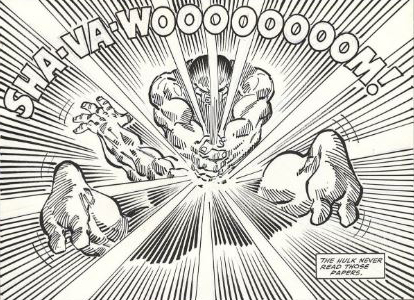
Buscema’s great talent laid in creating vivid visual storytelling and superbly eye-catching action scenes (as showcased in the slideshow below). The importance of Sal’s contributions to Marvel can be quantified by the fact that, for a quarter of a century, he produced at least one comic book every month (and often two or more). The Marvel Database Website lists a total of 691 works by Buscema as an artist, 357 as an inker, and 362 cover pages.
THE DEFINITIVE HULK ARTIST OF HIS TIME
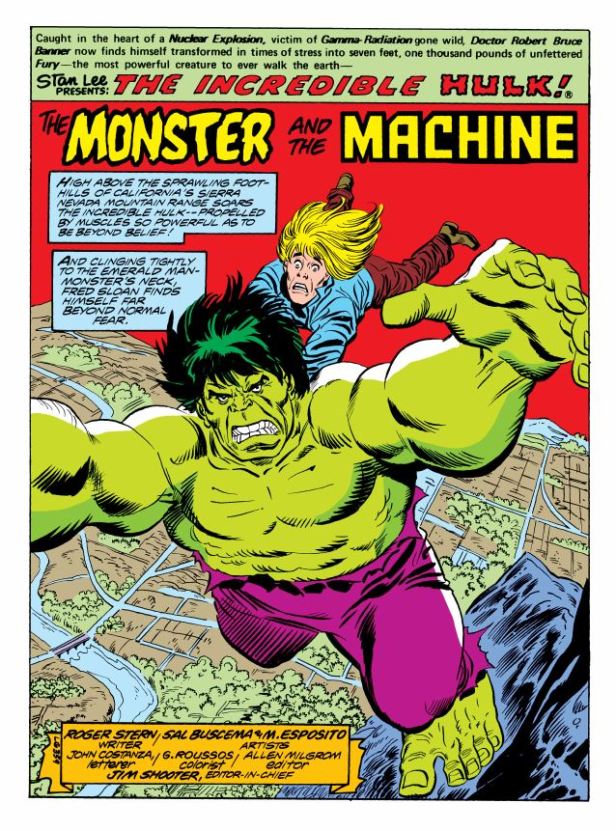
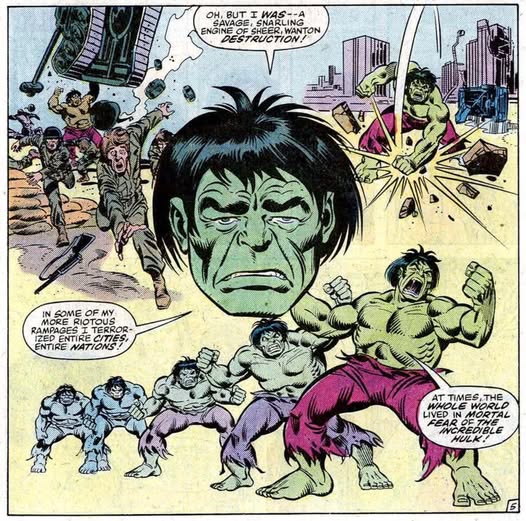
Unquestionably one of Sal Buscema’s great contributions was his splendid run for Incredible Hulk series, which he drew for a decade from the mid-1970s to mid-1980s. (#194 – #313) He defined the jade goliath’s look for a generation of readers, but also his tragic personality: that of a lonely and misunderstood monster, forever driven by destructive rages and brooding angst, and yet possessing an inner core of childlike innocence.
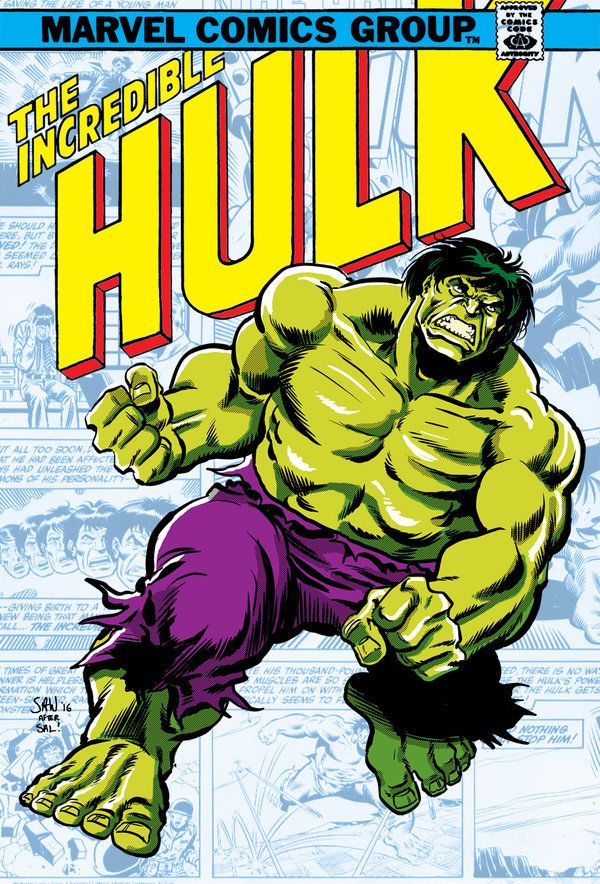
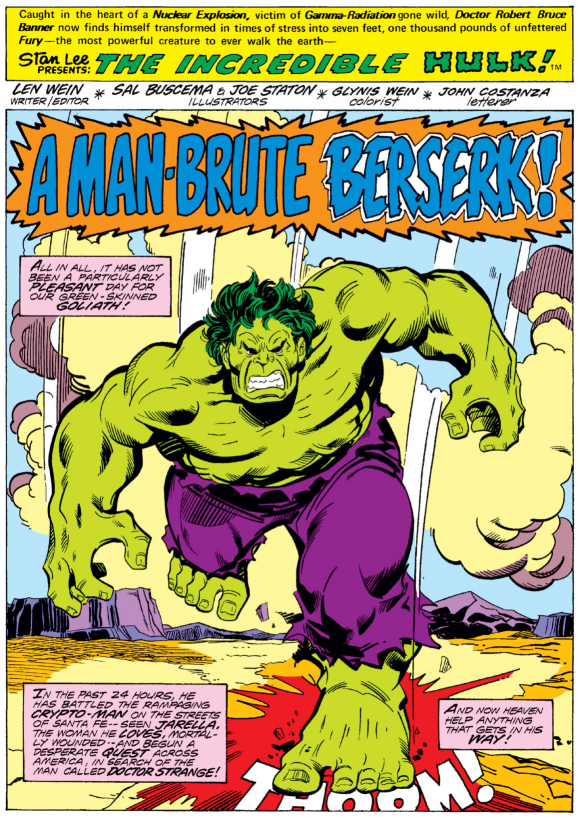
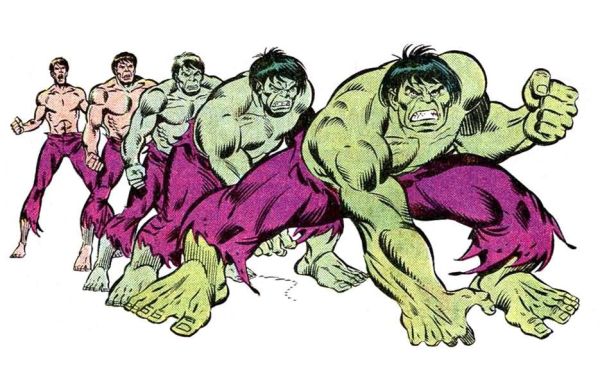
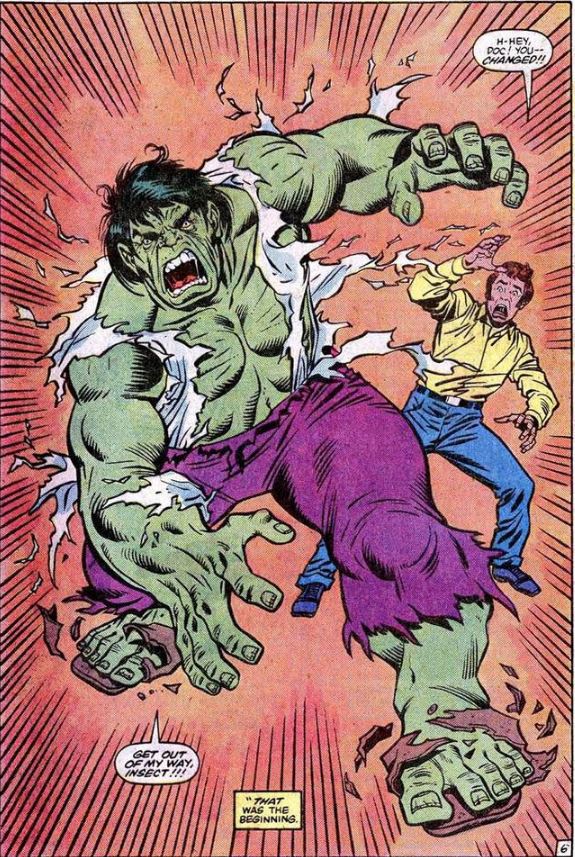
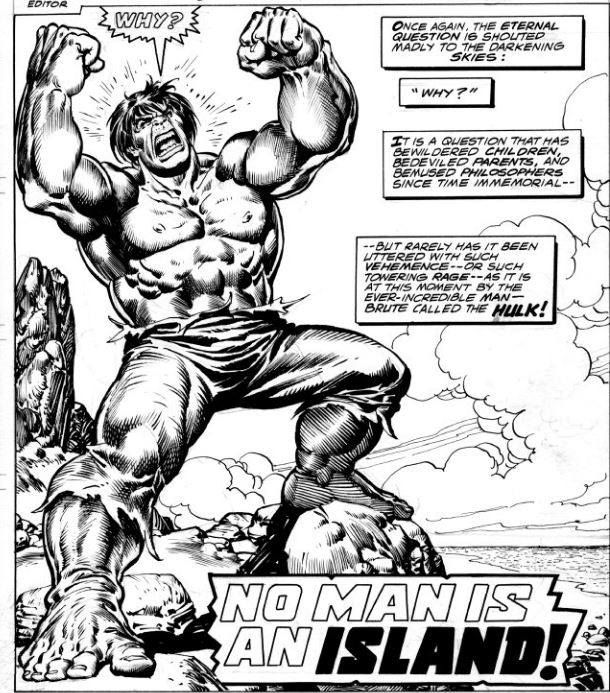
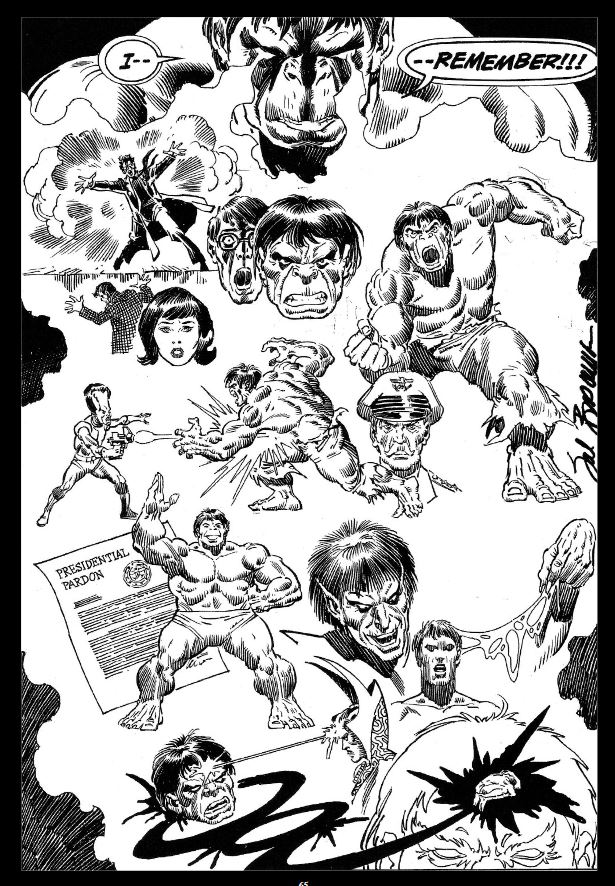
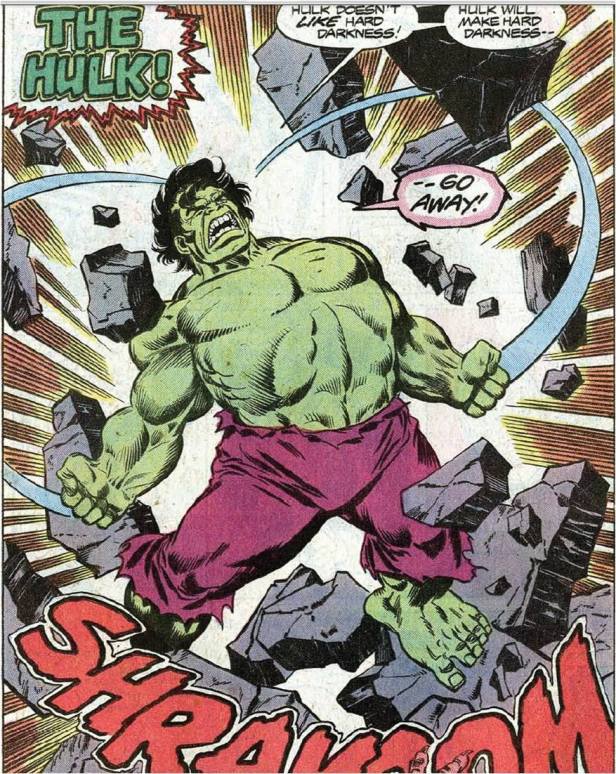
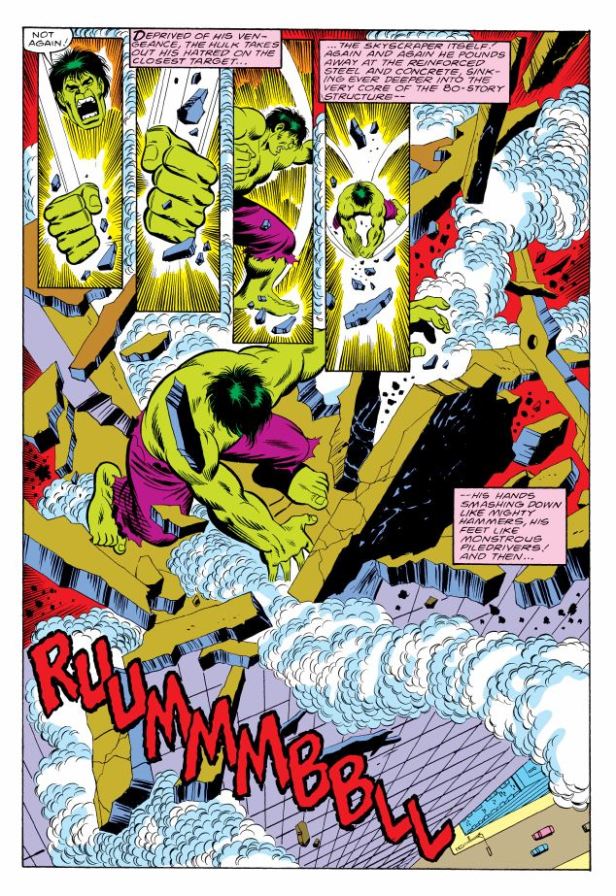
Of all the superheroes he drew, Sal acknowledged the Hulk as his own favorite, both due to his extraordinary physique and his touching personality. Sal must also have greatly appreciated the freedom the Hulk gave him to design some of the most epic rampage scenes ever committed to comics. The Hulk’s raw power has never been better depicted than in Sal Buscema’s work
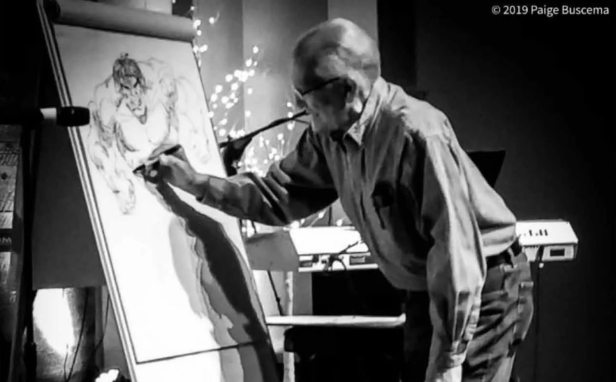
CAPTAIN AMERICA, THE DEFENDERS, SPIDER-MAN, AND MORE.
Sal Buscema’s contributions were also significant to many other titles, such as The Avengers, The Defenders, Captain America, and Nova in the 1970s, ROM the Spaceknight, The New Mutants, and The Mighty Thor in the 1980s, and as well as The Spectacular Spider-Man in the 1980s and 1990s.
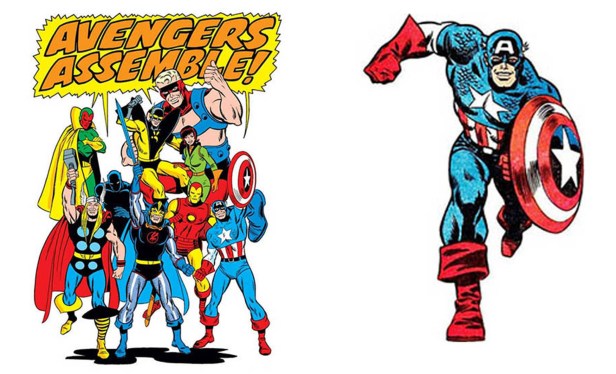
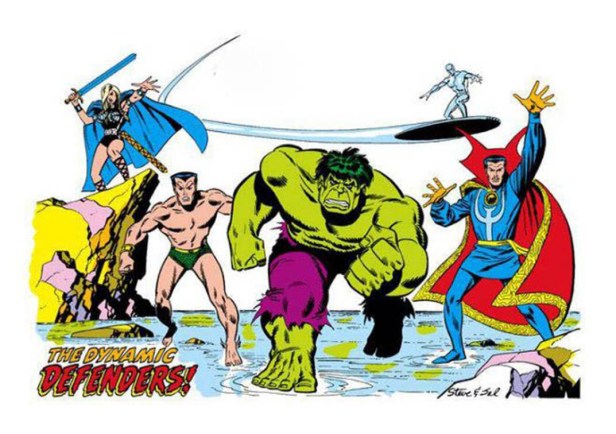
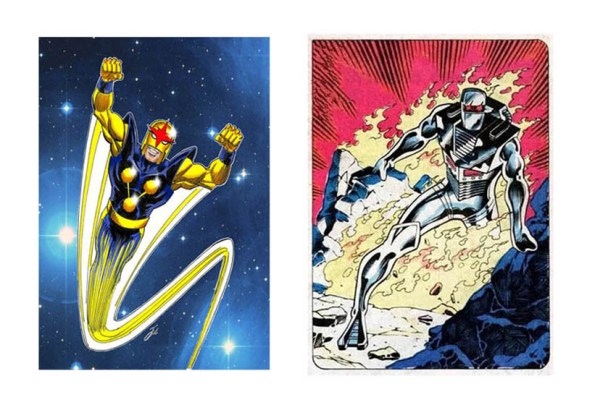
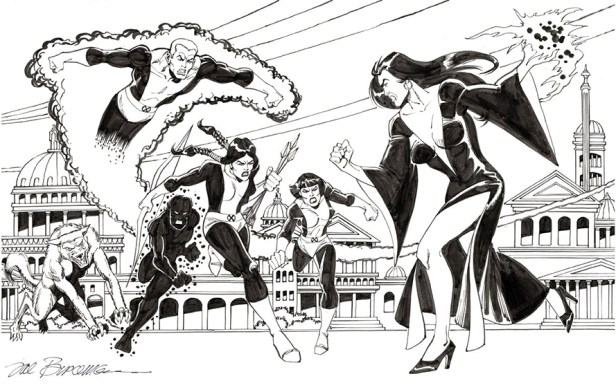
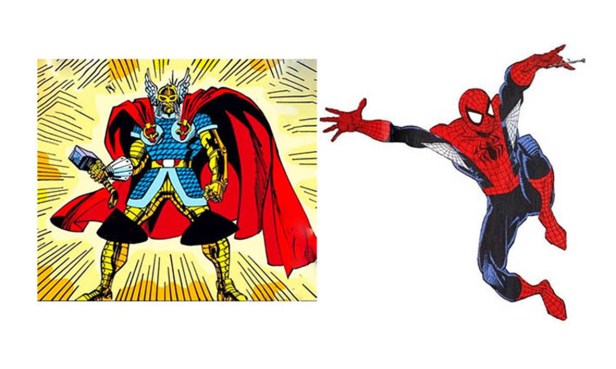
Sal also played a role in many of Marvels Comics most renowned story arcs and sagas of the seventies, including the Kree-Skrull War (Avengers #88-97 / 1971 ), the Defenders/Avengers War (Avengers #116-118 / Defenders #9-10 1972), the Captain America vs the Secret Empire arc (Capt. America #169-175 / 1974), and the Headman and Nebulon arc (Defenders #31-38 / 1975).
In the eighties. Sal drew the long-running Hulk’s mind over monster’s (Hulk #272-300/1982-84), and in the early nineties the Green Goblin/Harry Osborn vendetta arc (Spectacular Spider-Man #178-200). Furthermore, Sal’s run on the ROM series (1979-84) made it one of the most consistent sci-fi/horror comics of the 1980s.
SIX OF THE APPROXIMATELY 350 COVERS THAT SAL BUSCEMA DREW DURING HIS CAREER
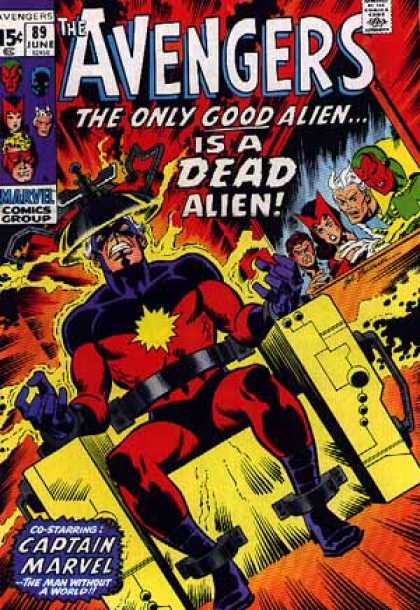
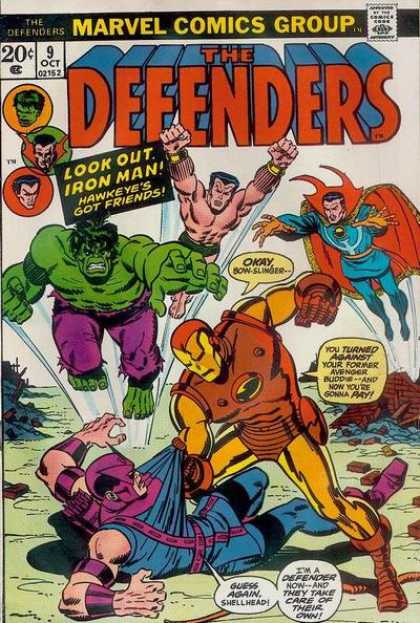
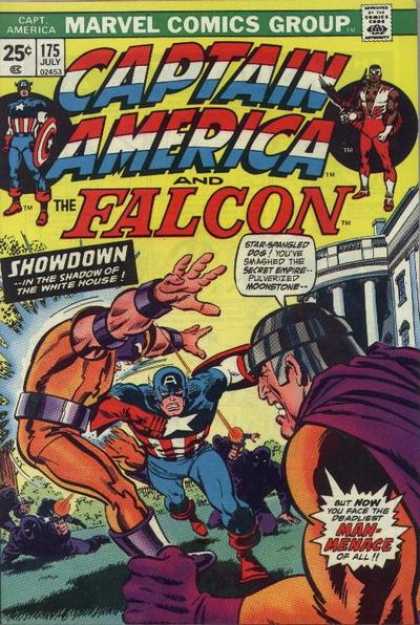
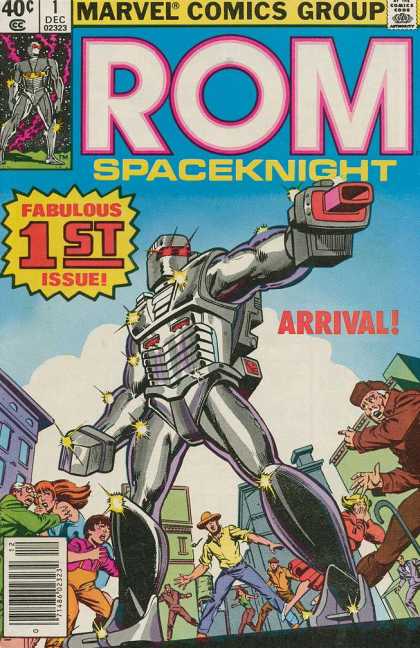
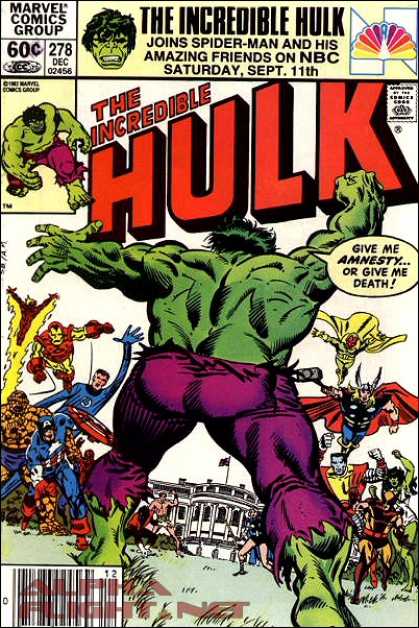
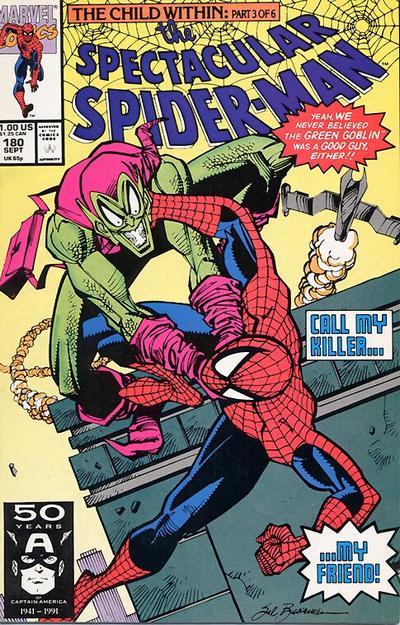
Sal Buscema Complete Marvel Biography.
SAL BUSCEMA: ACTION MASTER.
In my humble opinion, Sal Buscema’s art style is not particularly distinct in and of itself; it falls within a very classical sort of comic-book realism.

Before venturing into the world of comic books, Sal was a commercial illustrator. He once explained in an interview that, although he was an excellent draftsman, he had no experience doing comic book art before deciding to join his brother John at Marvel in the late sixties. It took him a full year of daily practice to create the visual dynamism needed for comic-style storytelling. This intensive training served him well, given his virtuoso skills in representing action in all its forms: from hand-to-hand combat, to laser beams, to flying scenes battles, and outright rampages.
Sideshow Example of the art of movement, gesture, framing, and dynamic space by Sal Buscema.
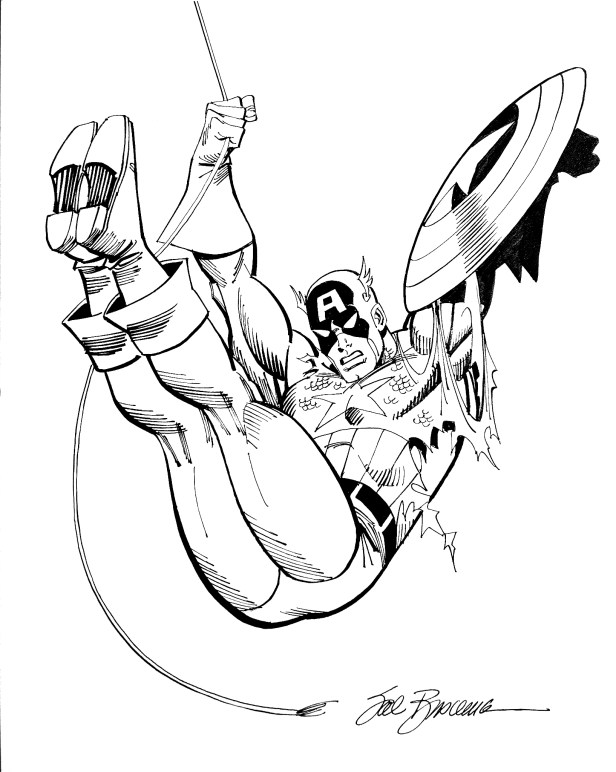
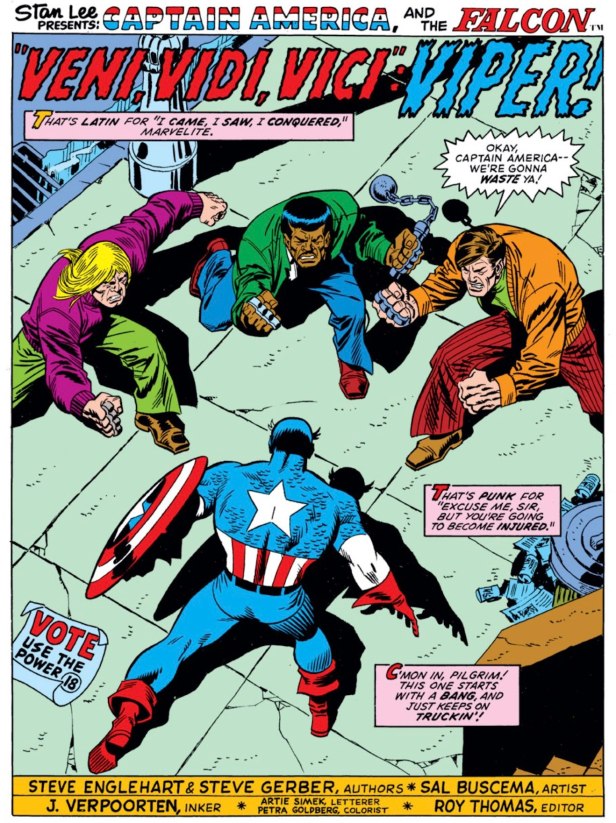
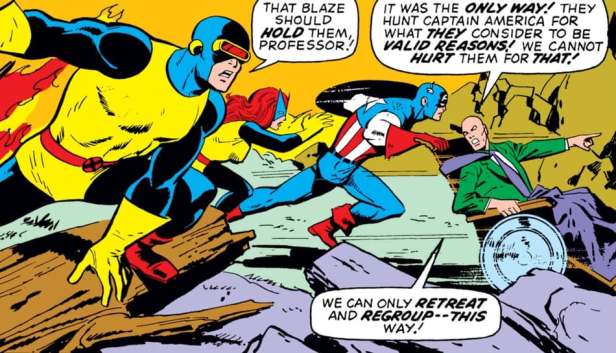
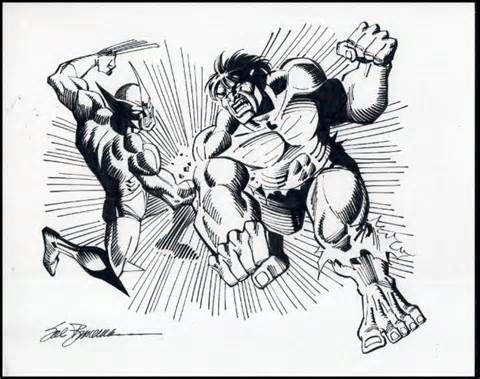

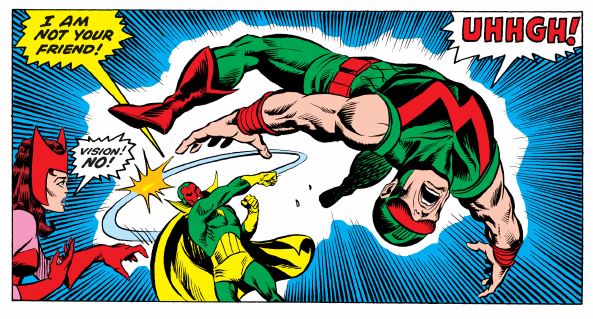
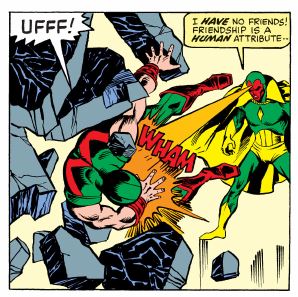
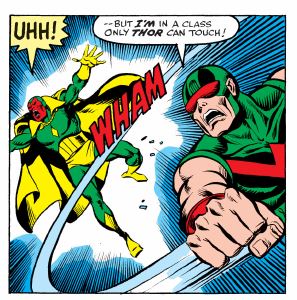
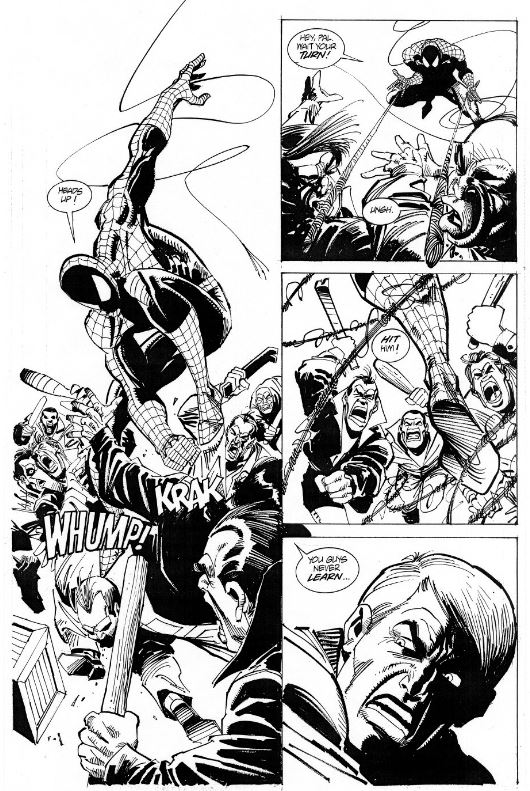
It was Sal’s ability to compose images with movement, a keen sense of space, and dynamic poses that unquestionably constitutes his greatest talent, even more so than the drawing technique itself. For decades, this allowed him to create scenes full of sound and fury, enhanced by a mastery of narrative continuity that makes the action clear and legible at all times. Once again, the slideshow below gives an excellent idea of Sal’s mastery, with breakdowns of a confrontation between The Vision and Wonder Man, panel-by-panel.
Avengers #158 (Jan. 1977): Writer: Jim Shooter, Penciler : Sal Buscema, Inker: Pablo Marcos.
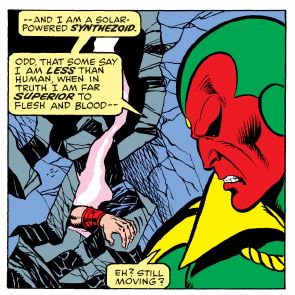
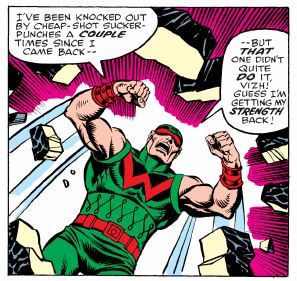
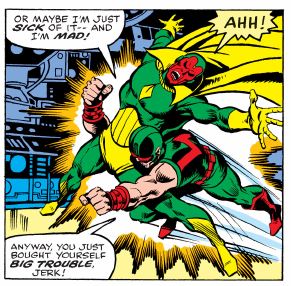
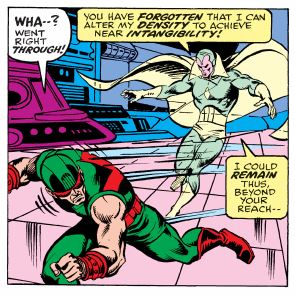
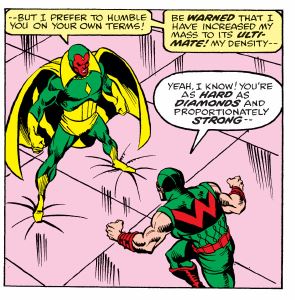
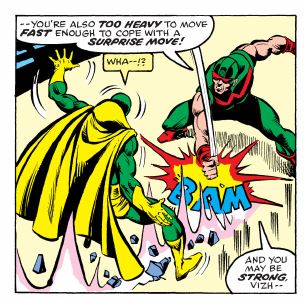
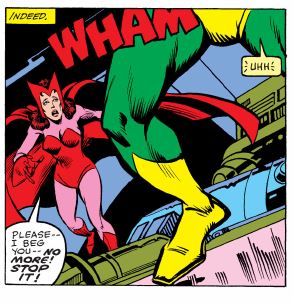
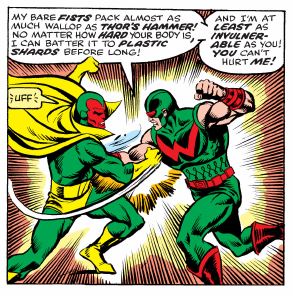
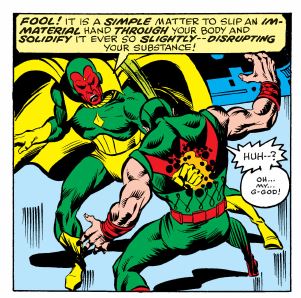
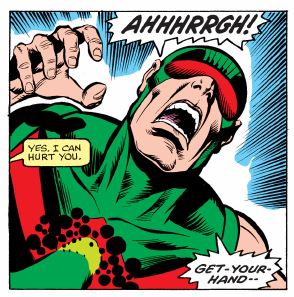
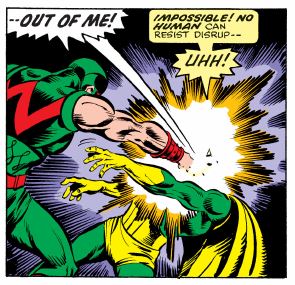
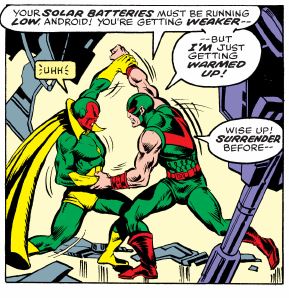
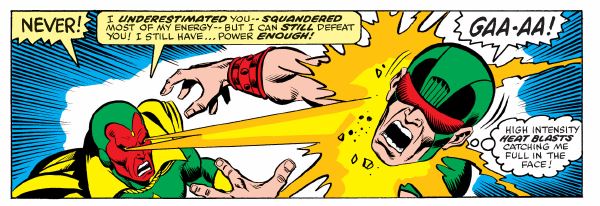
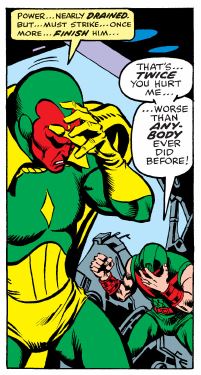
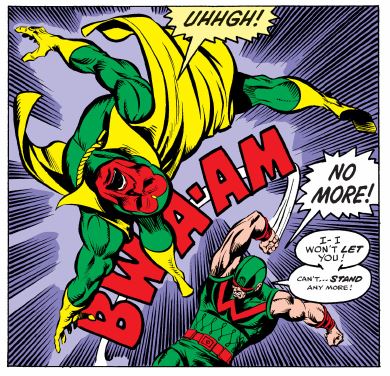
SAL BUSCEMA’S ACTION GALLERY.
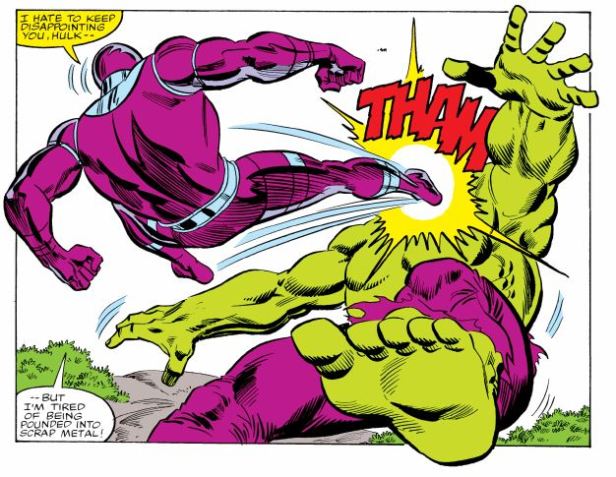
Single Panels
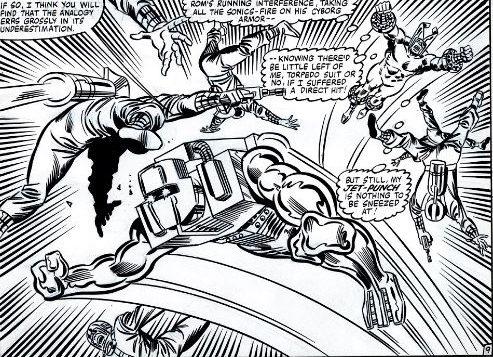
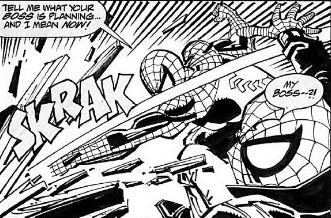
Sequential Action Scenes on a Single Page
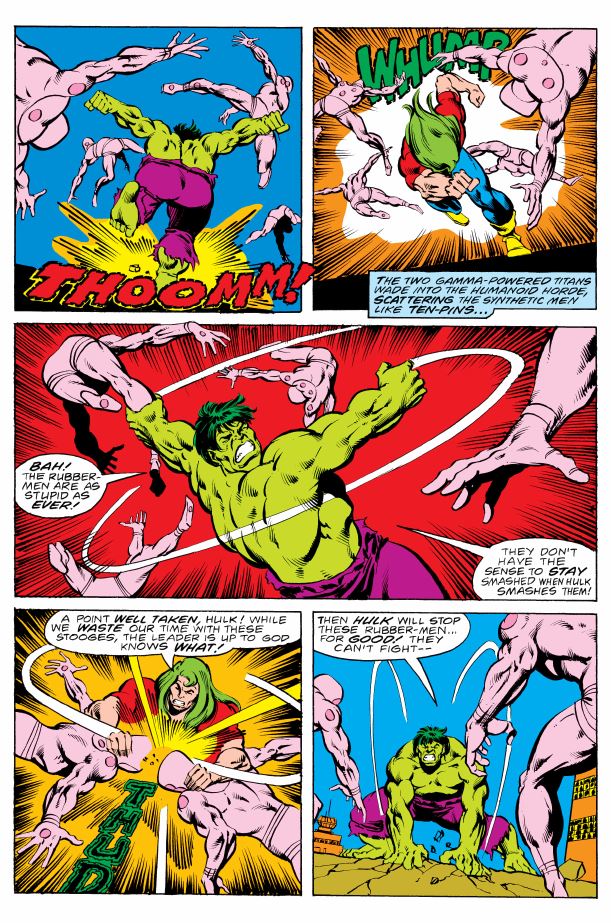
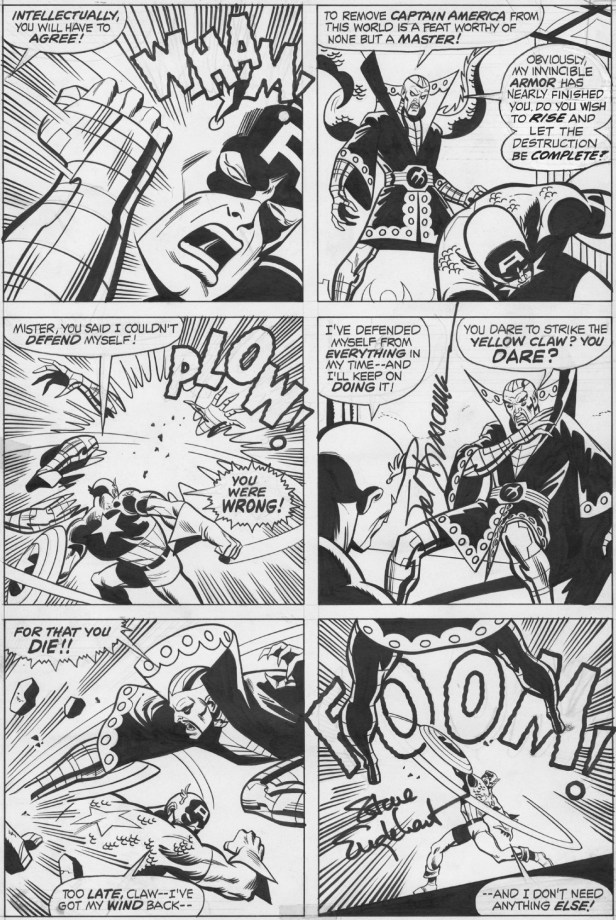
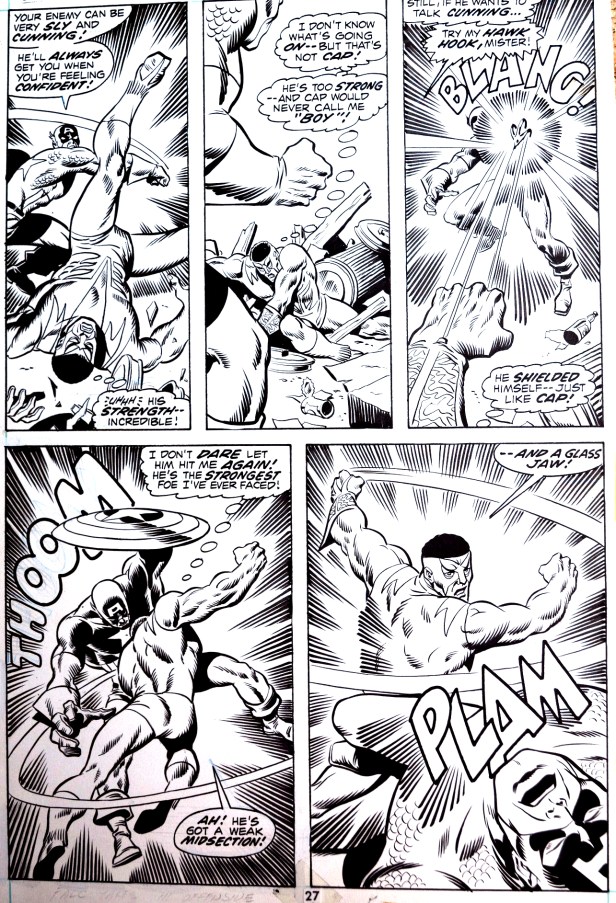
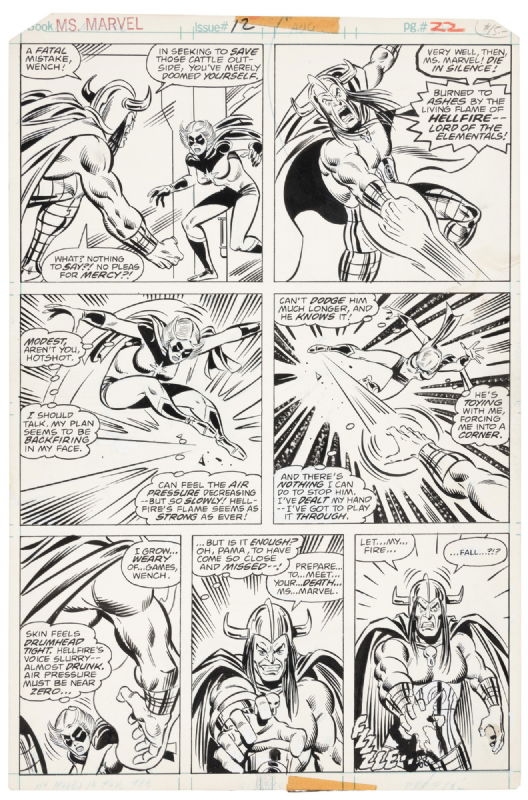
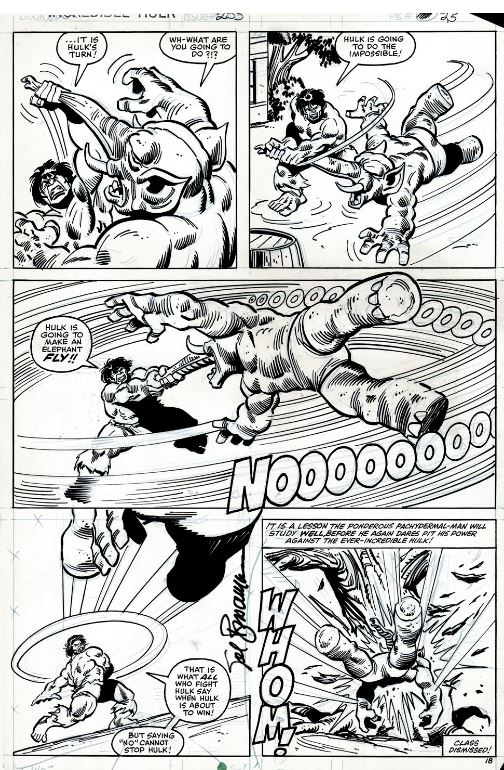
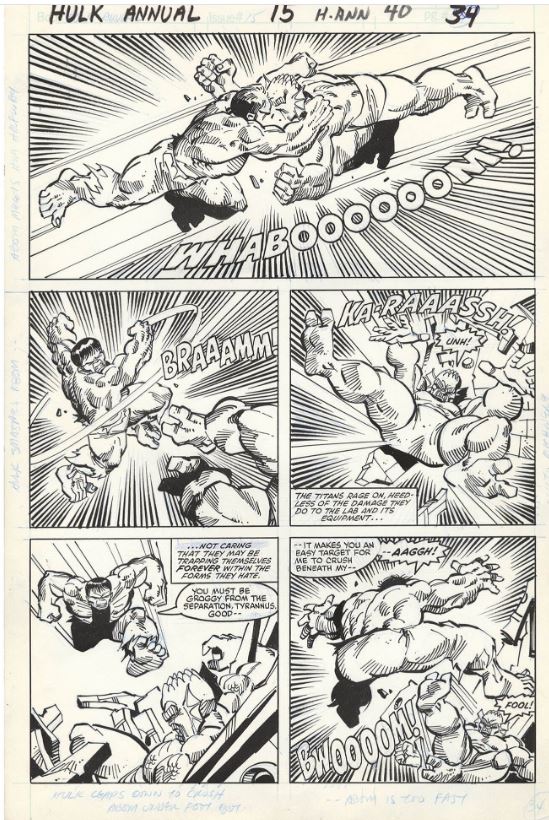
Action Moments on a Page or Two.
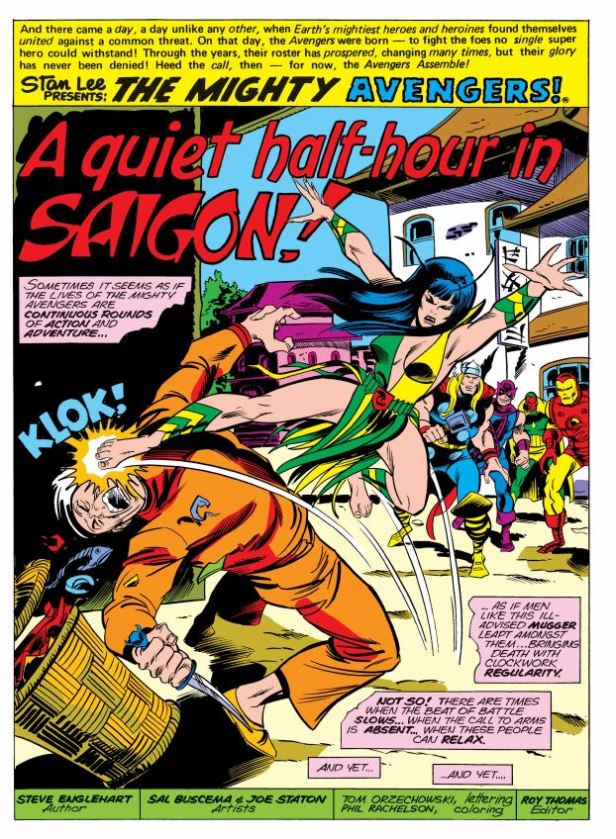
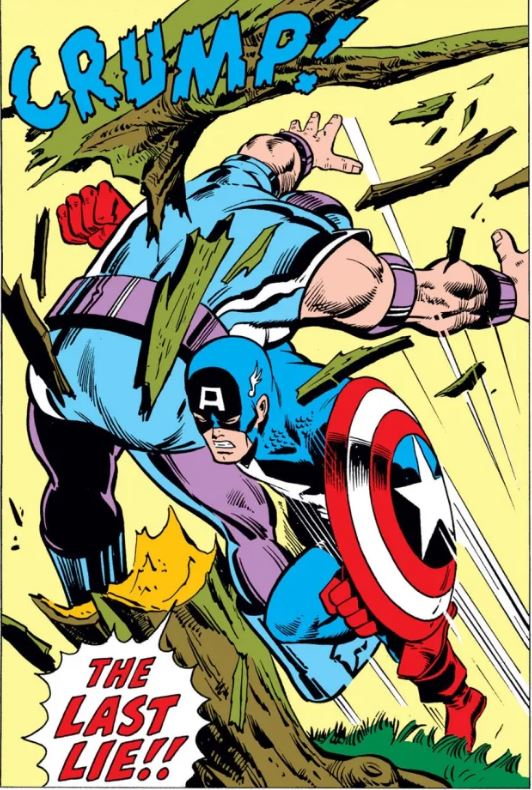
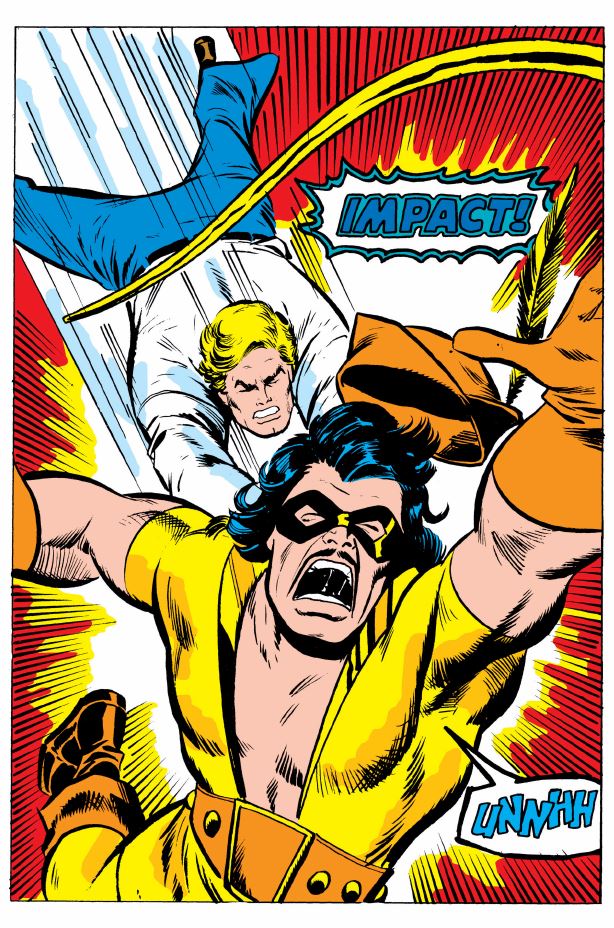
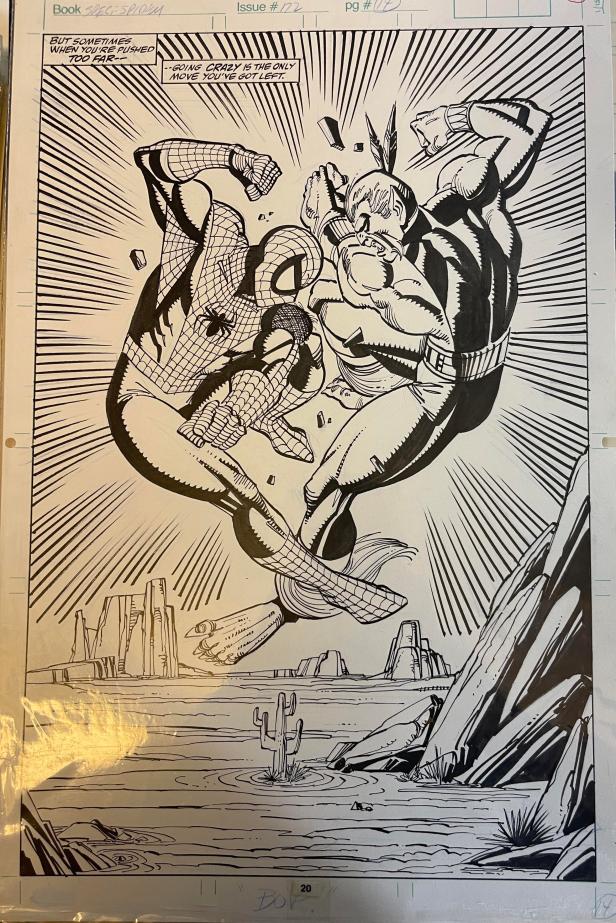

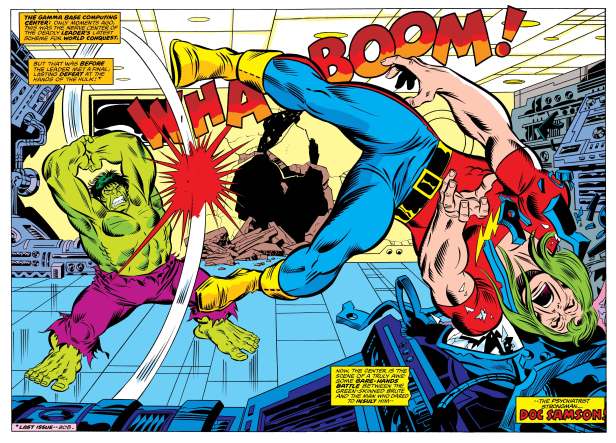
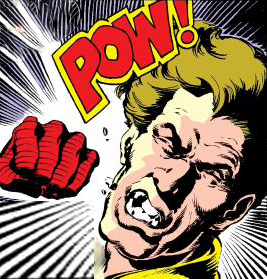
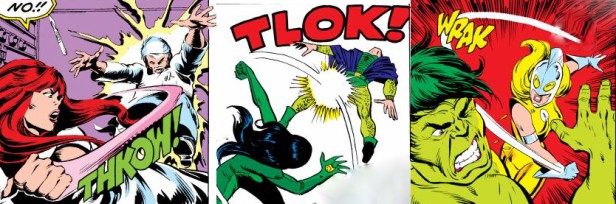
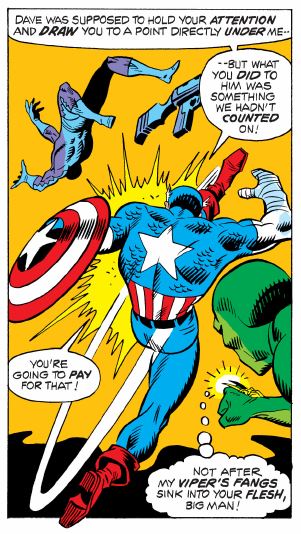
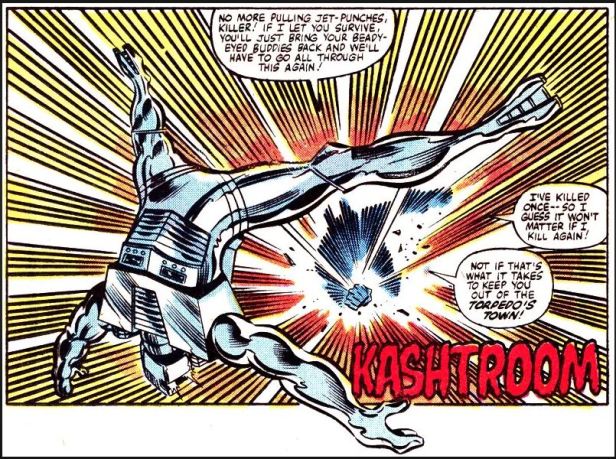
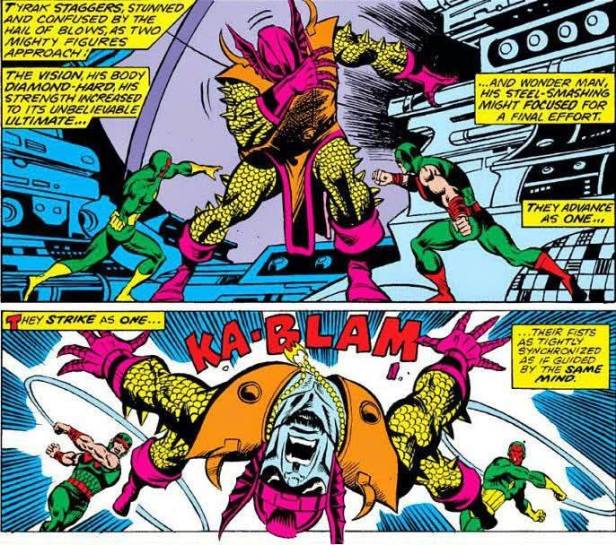
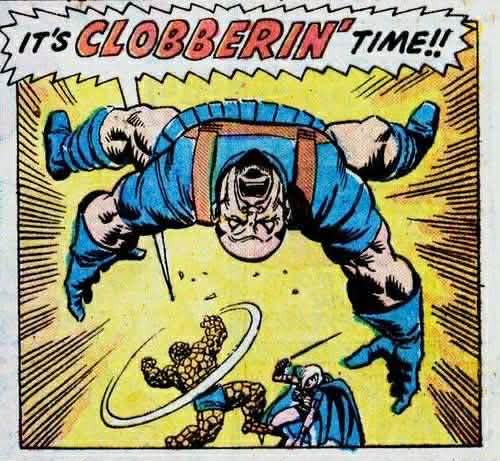
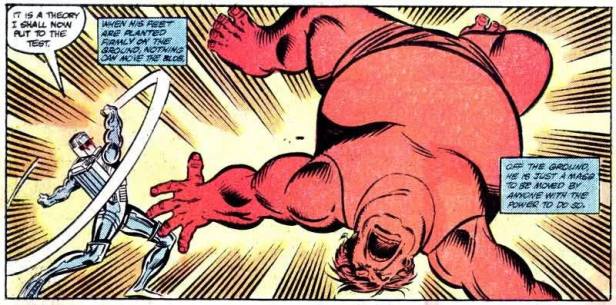
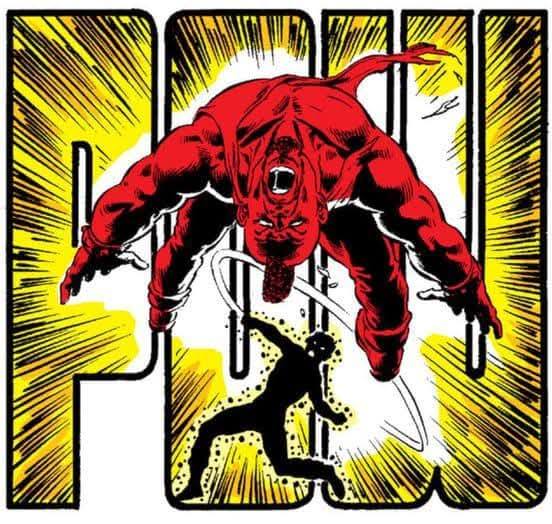
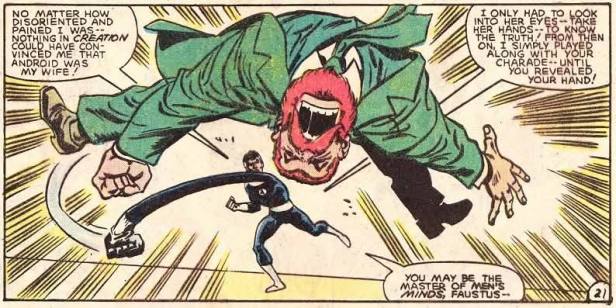
THE AWESOME SAL BUSCEMA POWER PUNCH
Sal’s talent for action is best exemplified by the imagery of the powerful punch that bursts out of the frame, a favourite stylistic device he used regularly for more than three decades, through countless variations. Thus, with an unexpected sucker-punch, or in a fight’s big climax, a character strikes an opponent with such force that the adversary is launched fully into the air, his body arched backward, with a face wearing a stark expression of sheer surprise or pain. This visual shortcut is achieved with a subjective point-of-view, with the recipient of the punch literally bursting out of the frame.
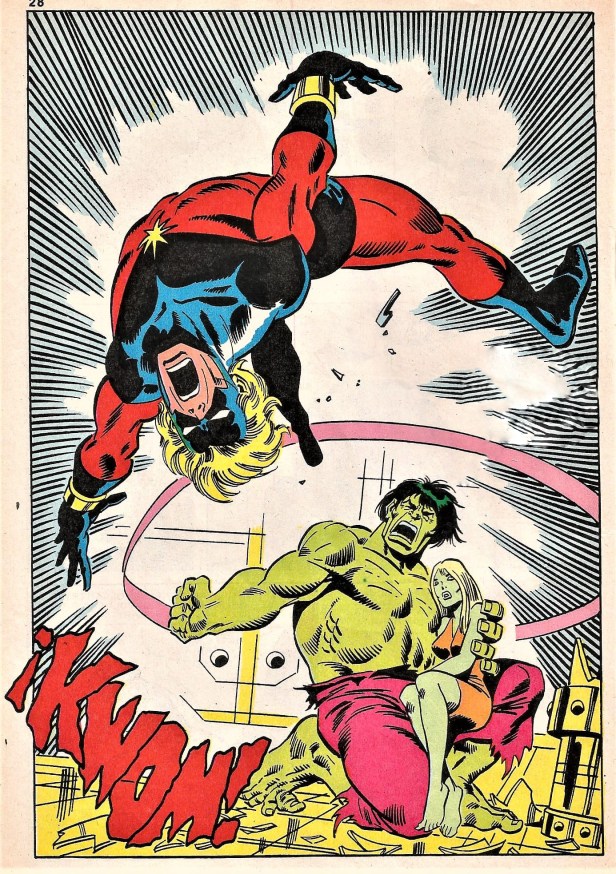
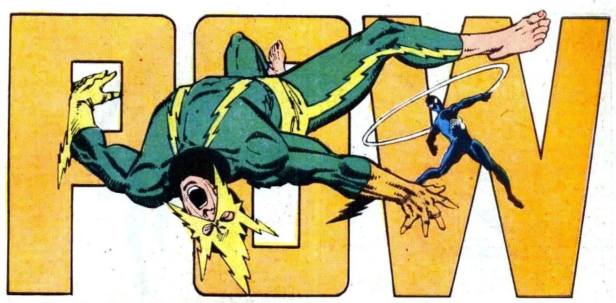
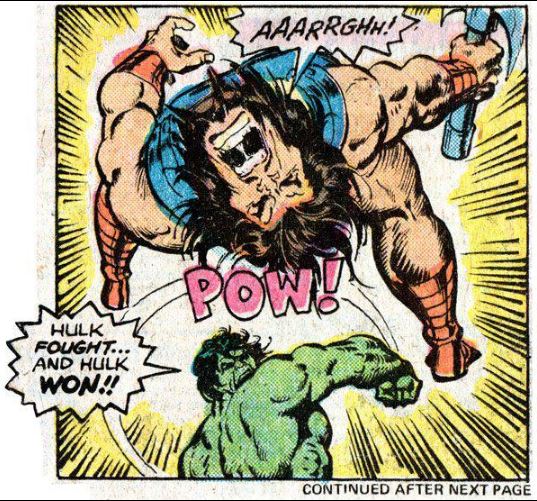
SAL BUSCEMA: THE ARTIST OF DRAMATIC MOMENTS
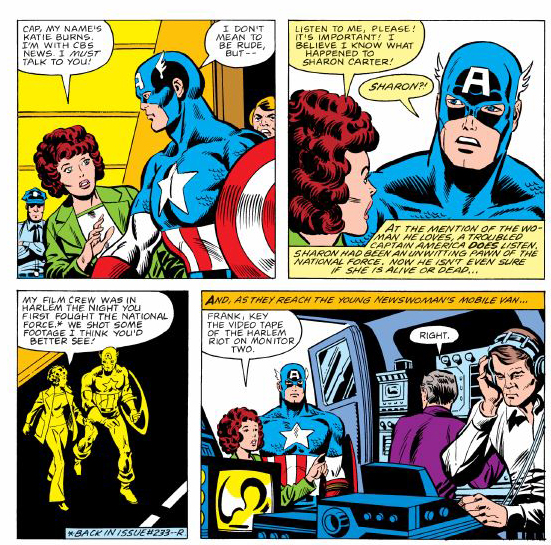
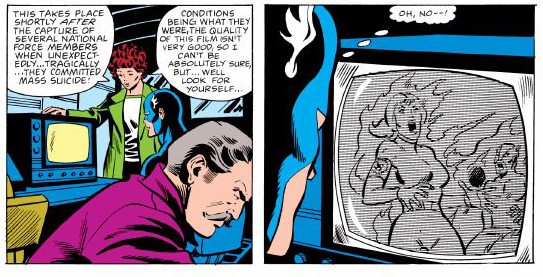
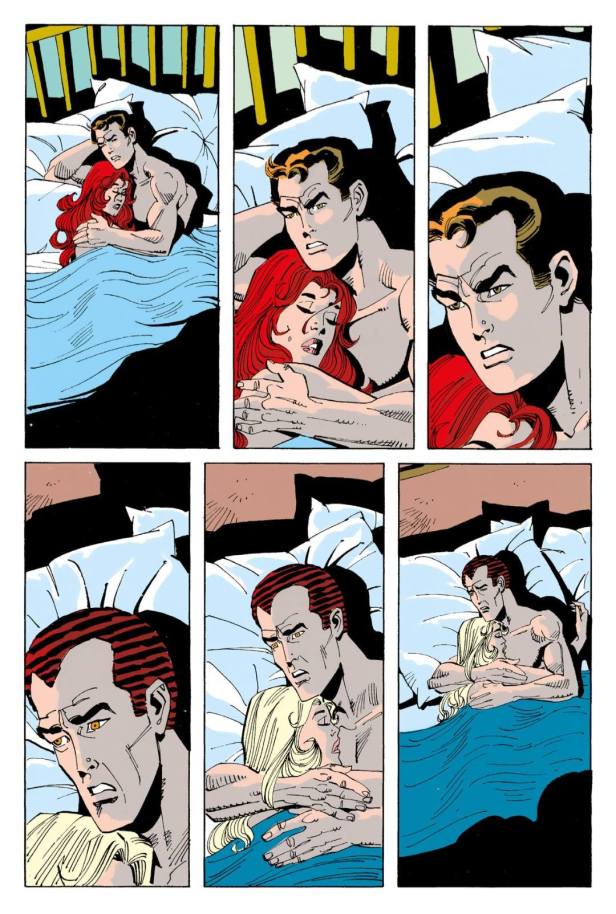
Beyond his immense talent for action scenes, Sal Buscema also demonstrated excellence in numerous dramatic scenes. Admittedly, much of the time, the characters’ facial features are simplified, with exaggerated expressions executed in a basic manner. On occasion though, Sal was able of convey truly heartbreaking pathos, as demonstrated by the slideshow sequence below from Captain America #237.
Captain America #237/July 1979/Writer: Chris Clairemont, Roger Mackenzie, Penciler : Sal Buscema, Inker: Don Perlin.
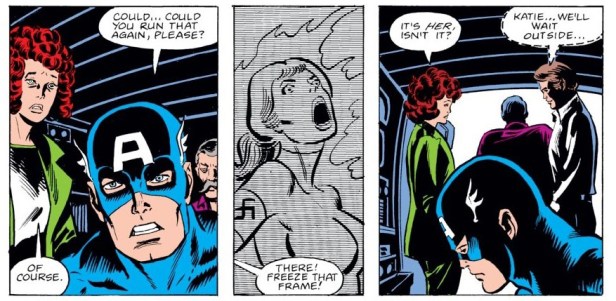
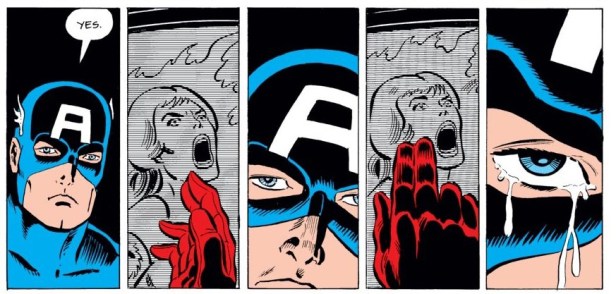
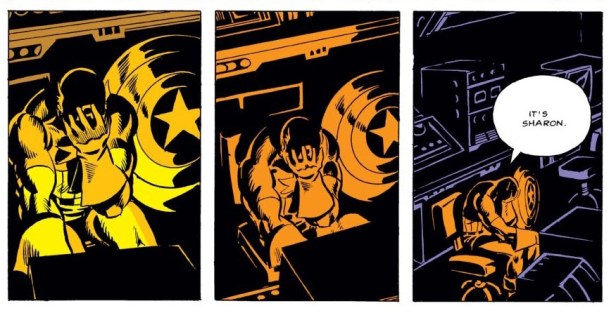
Later in the same comic, a flashback sequence showcases a Nazi concentration camp survivor’s story. For many young readers, this sequence must have been a first introduction to the horrors of the Holocaust
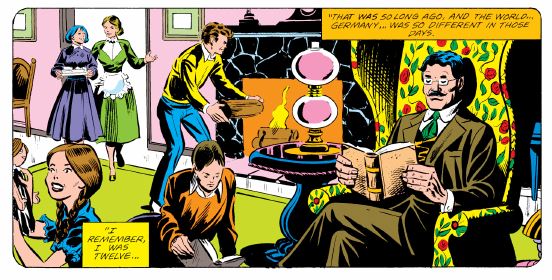
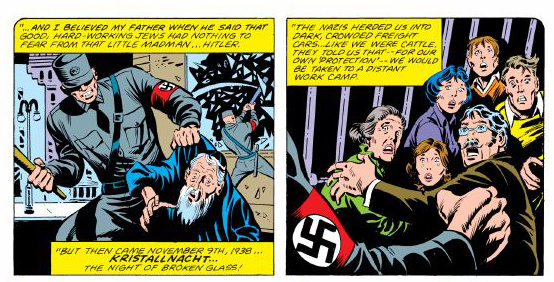
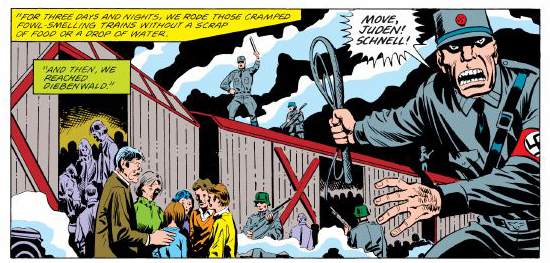
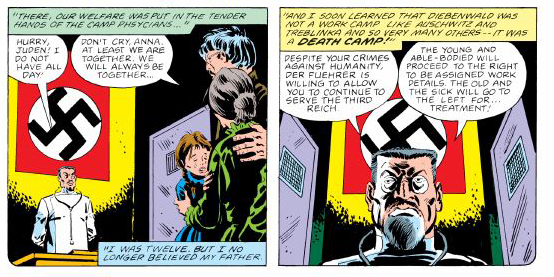
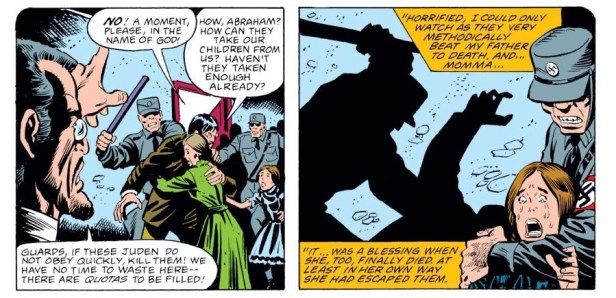
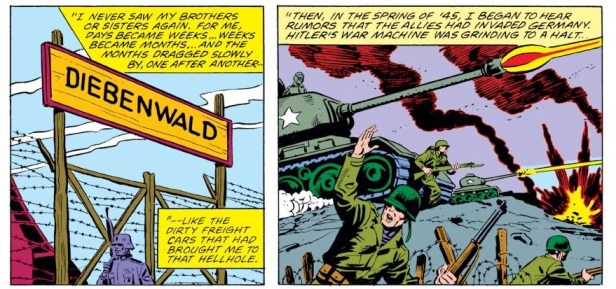
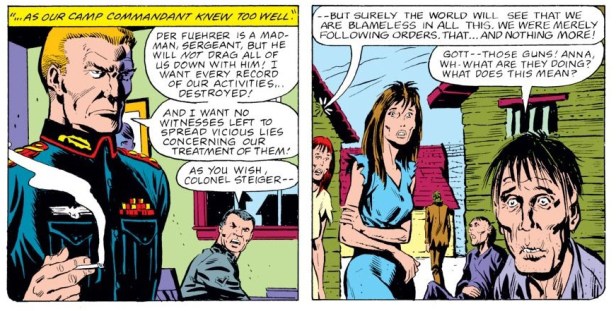
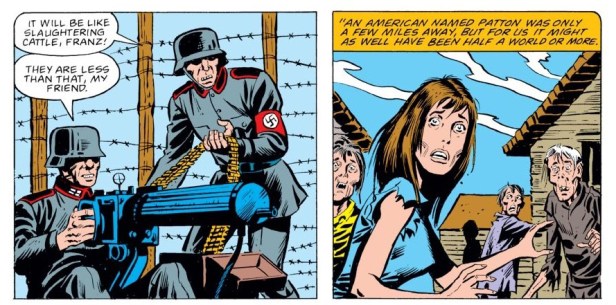
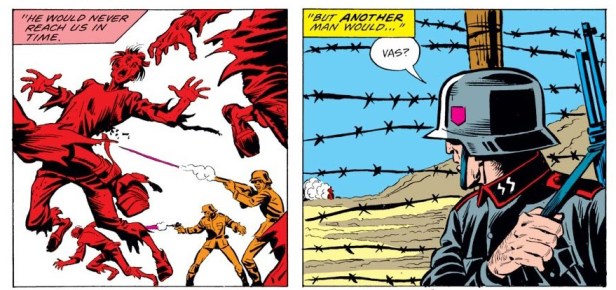
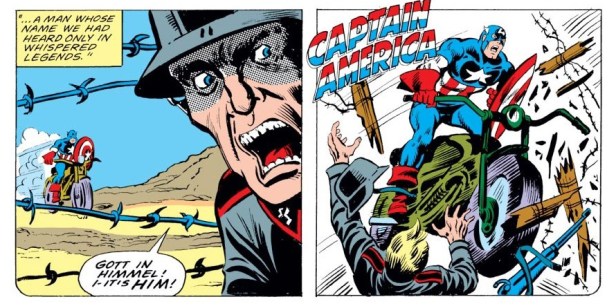
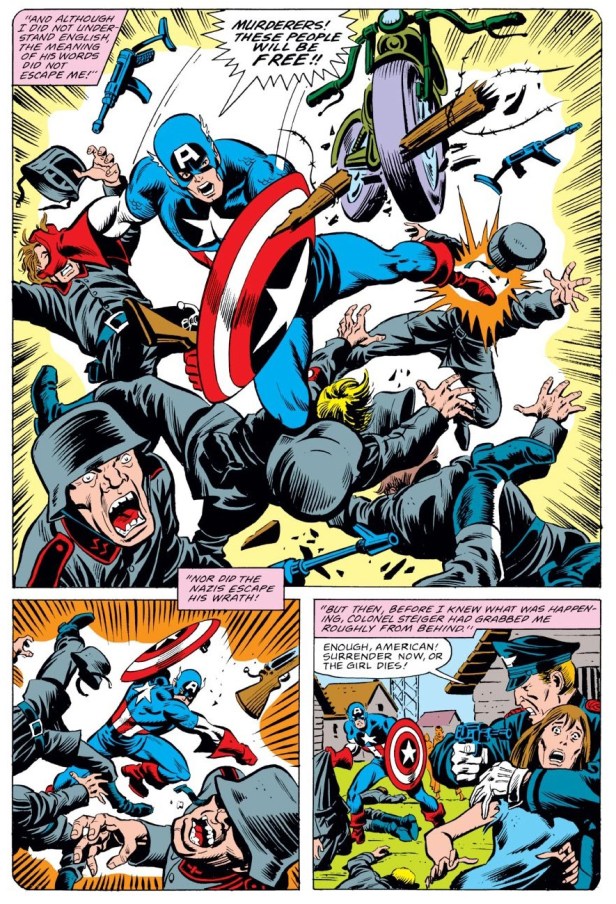
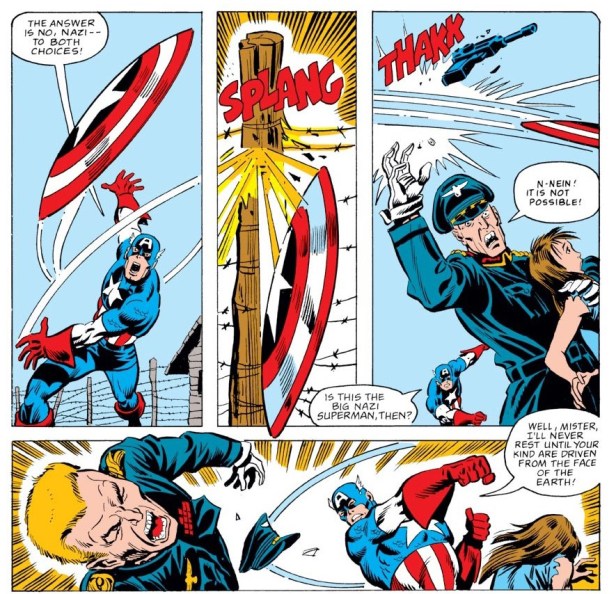
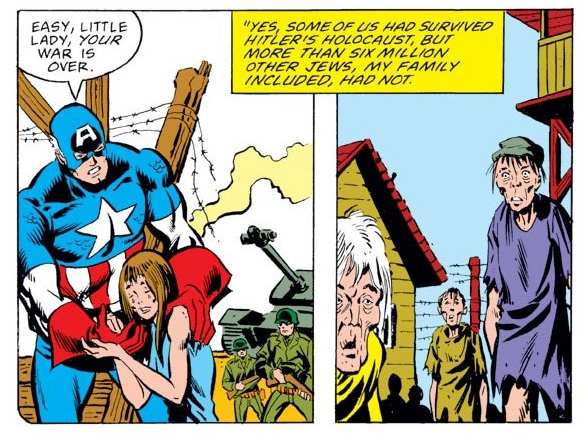
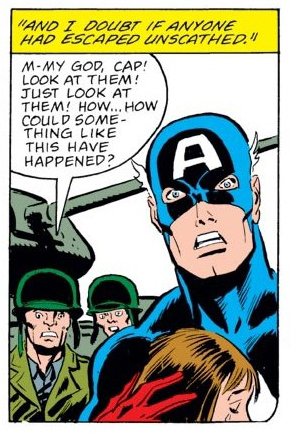
Captain America #237 is actually the final issue of Sal Buscema’s second great run on Captain America. With only two pages of action, its the dramatic content that makes it a magnificent yet sobering farewell from Sal to the character.
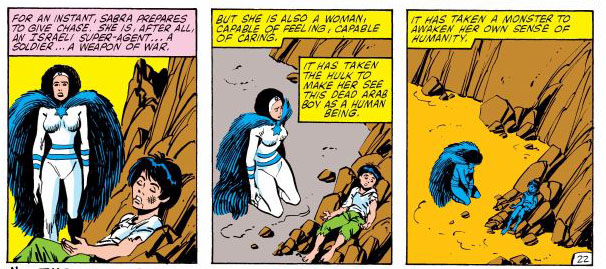
Another strong dramatic moment comes in Hulk 256, where Hulk is confronted with another kind of heartbreaking horror, in the form of the Israeli / Palestine conflict.
Incredibe Hulk: 256: Nov 1980. Writer: Bill Mantlo, Artist: Sal Buscema
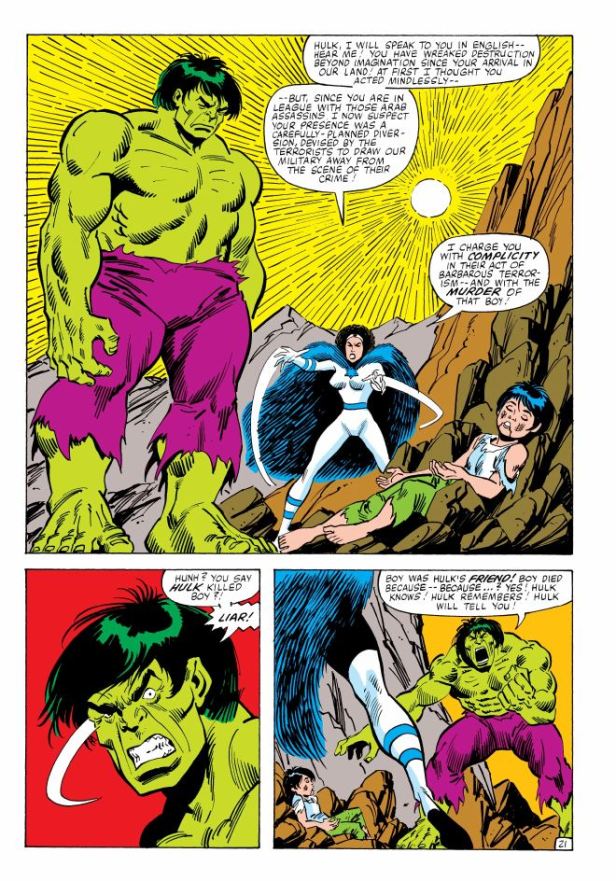
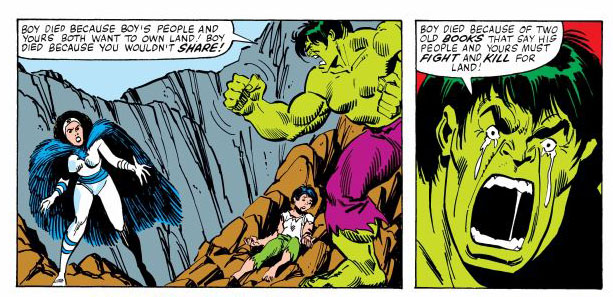
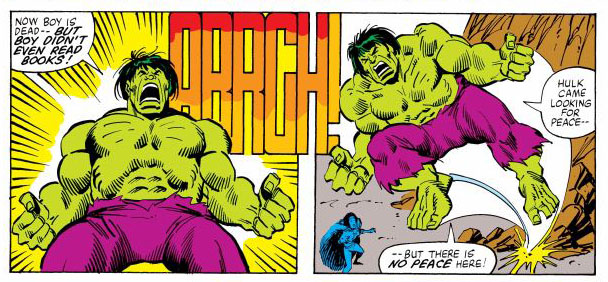
LATER BUSCEMA ART.
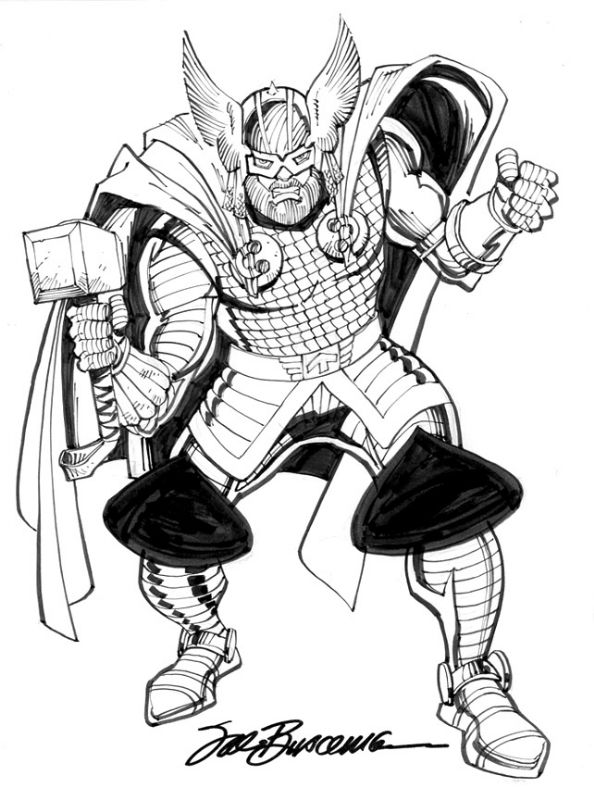
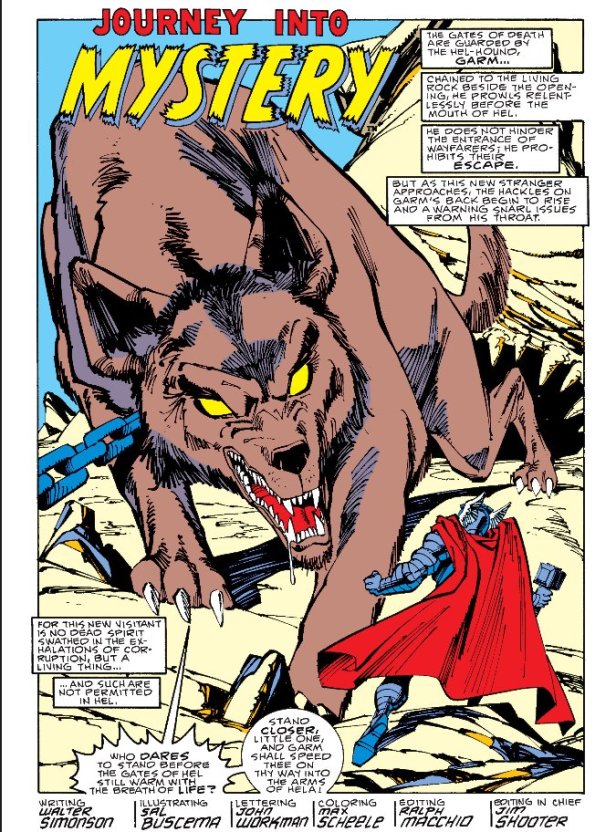
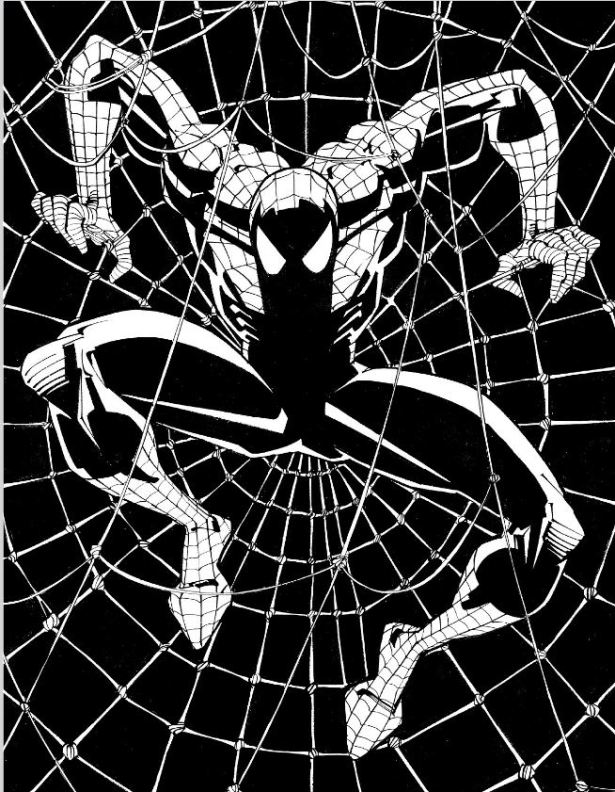
Starting in the mid-eighties Sal Buscema had a new working arrangement with Marvel Comics which allowed him to focus on one series at a time. As a result his work became more experimental, with his drawing becoming more stylized. During his two-year run on Mighty Thor, which he both drew and inked, his work had an uncanny wood-etched quality that was a perfect fit with the character’s Viking origins. Later on, with his lengthy run on Spectacular Spider-Man he paced his visual storytelling inventively to give it a more haunting and psychological vibe, especially during the Green Goblin / Harry Osborn arc. Many comic books fans of the eighties consider Sal’ 1987-1993 run on Spectacular Spider-Man, covering around 80s issues as artist and inker, to be his greatest contribution to Marvel.
SAL BUSCEMA CHARACTERS CREATION.
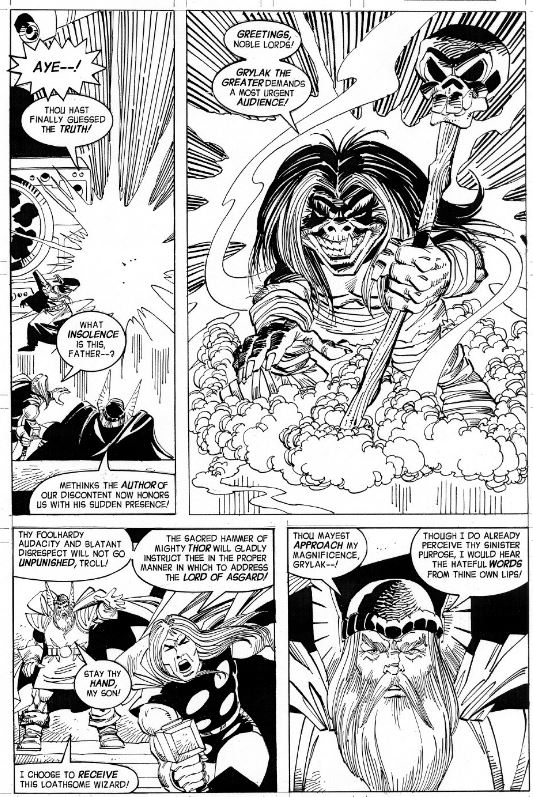
This finale slideshow displays a very small sample of the many standout characters created by Sal Buscema through his career at Marvel; heroes, villains, teams, and all sorts of monsters, robots and aliens. The Wikipedia website has a page listing more than 100 of Sal’s creations and it still remains incomplete.
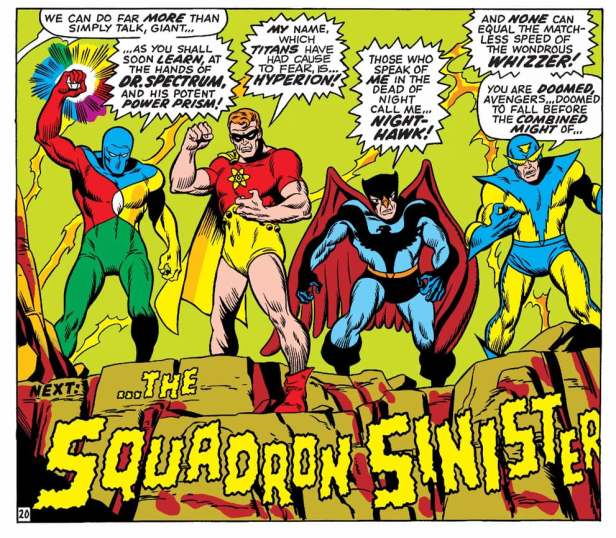
The Squadron Sinister – a pastiche of the Justice League of America that Sal created from Avengers #69, Sal’s second issue in the series. 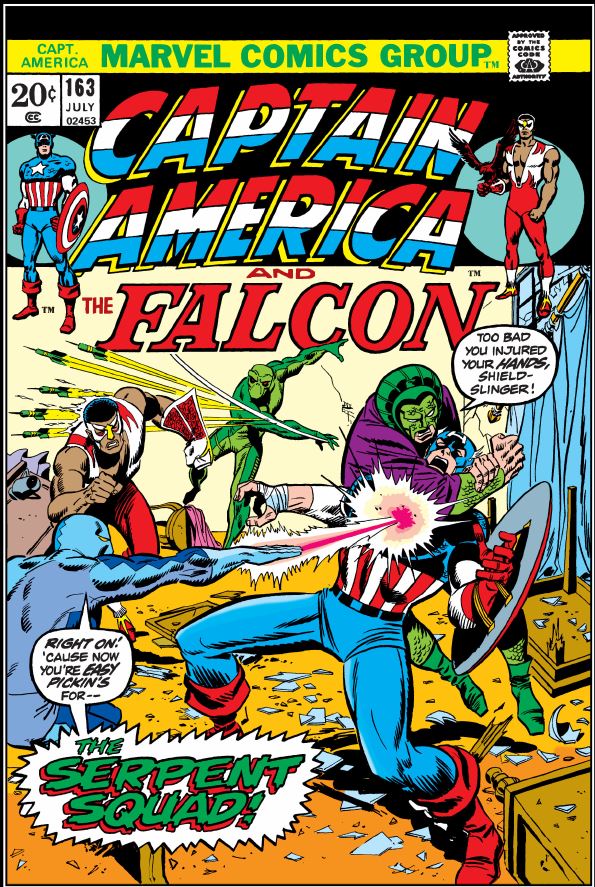
Another Squad, the Serpent Captains. America 163 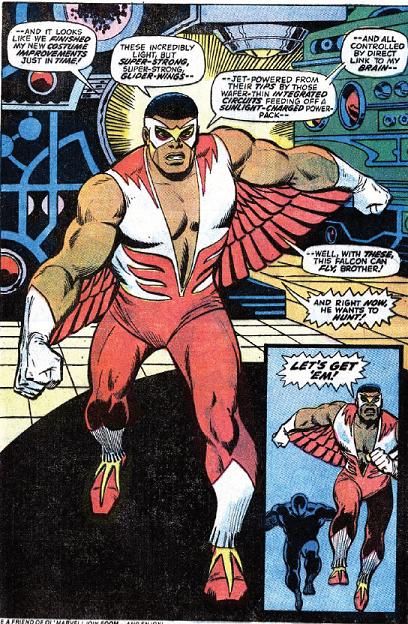
Sal didn’t create The Falcon, but he made him fly with a new winged costume in Captain America: 170 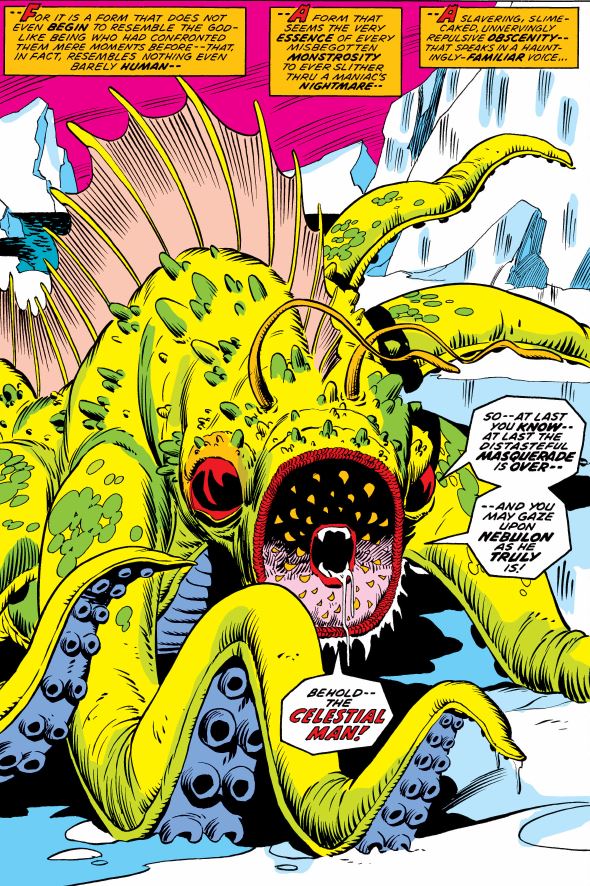
Nebulon’s The Celestial Man true monstrous form: Defender 14 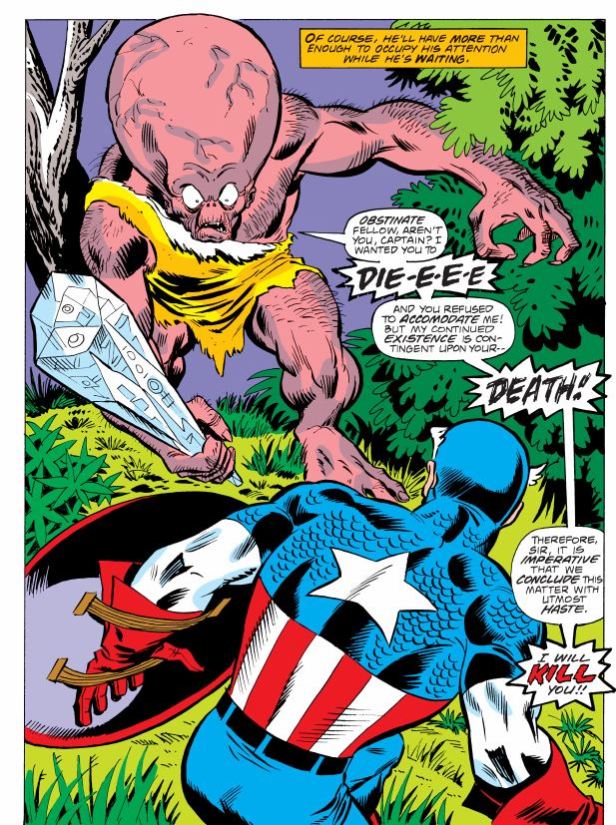
Both Cave and future man the freakish Animus : Captain America : 222 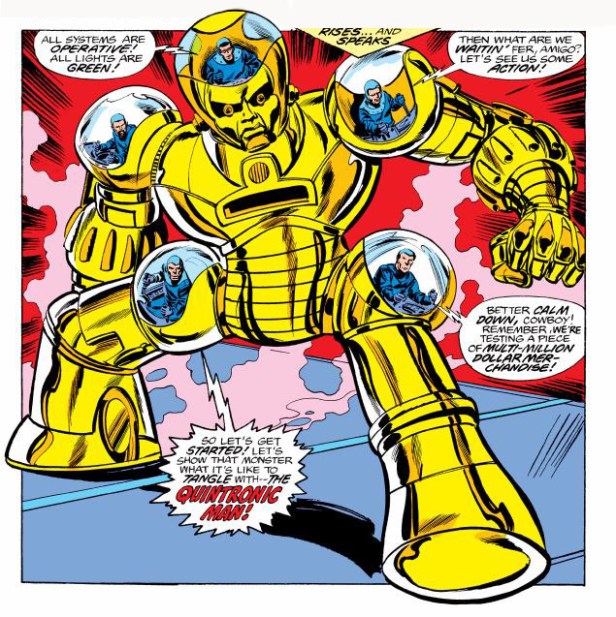
One of Sal’s more oddball robot design: The Quintroric Man :Hulk :213 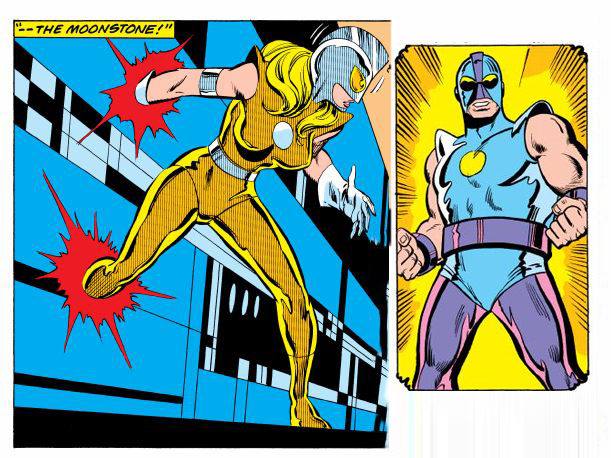
The two Moonstones: the original (right) created in Captain America 169 and the second (left) in Hulk: 228 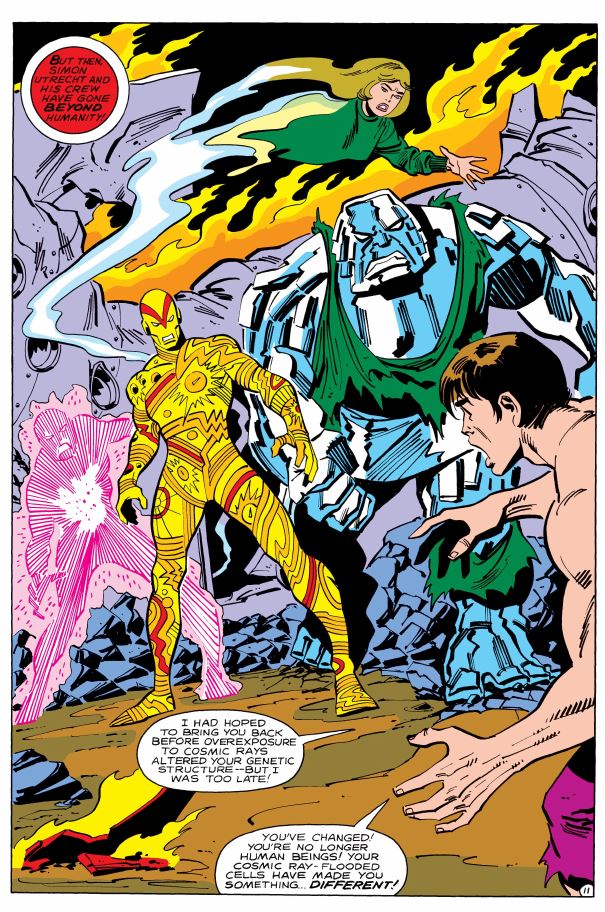
The U-Foes: A wrapped malicious pastiche of the Fantastic Four: Hulk: 254 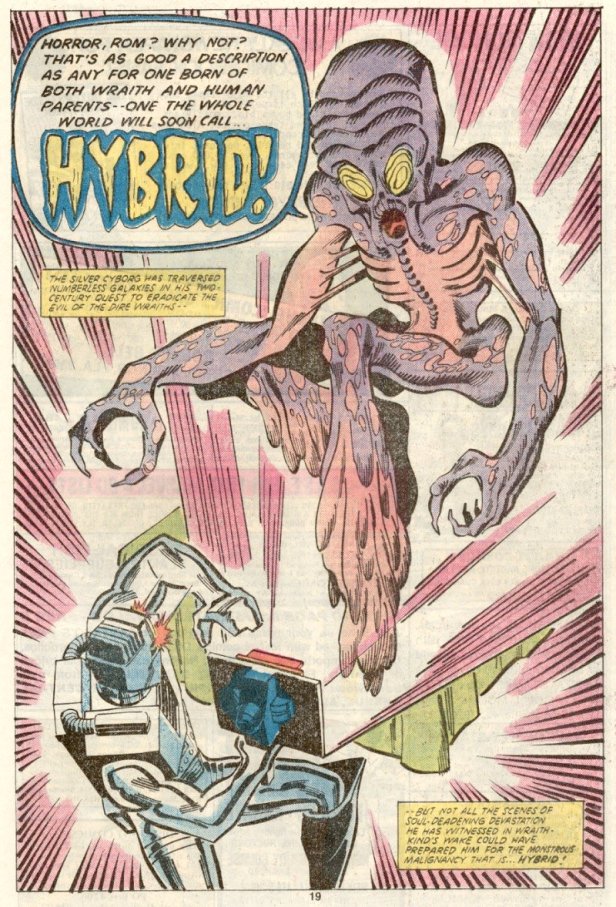
Half Boy, Half Dire Wrath and all monster : Hybrid Rom 15.
CONCLUSION.
For those who want to know more about Sal’s career, and to see more of his artwork, the best avenue is the book Sal Buscema: Comics’ Fast & Furious Artist.
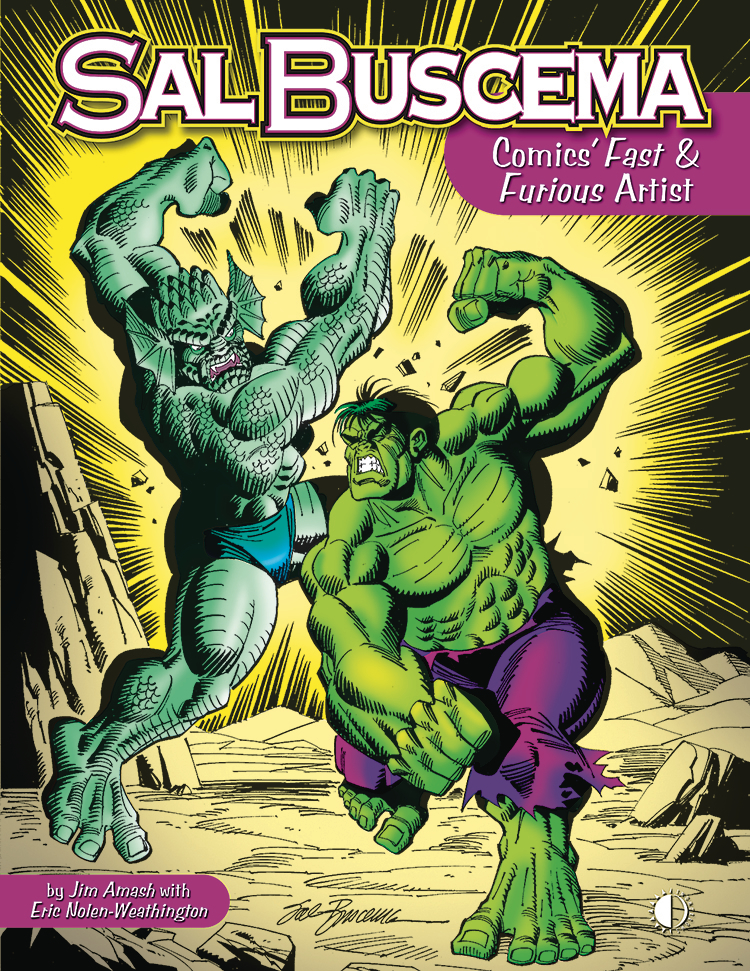
The book consists of a series of interviews in which Sal Buscema recounts his career and describes his approach to superhero comics. A reader will learn a great deal about both Sal’s work and his engaging personality. The last third of the book features a large gallery of illustrations of all kinds. Along with Sal’s Wikipedia page, Comics’ Fast and Furious Artist was this tribute’s main information source.
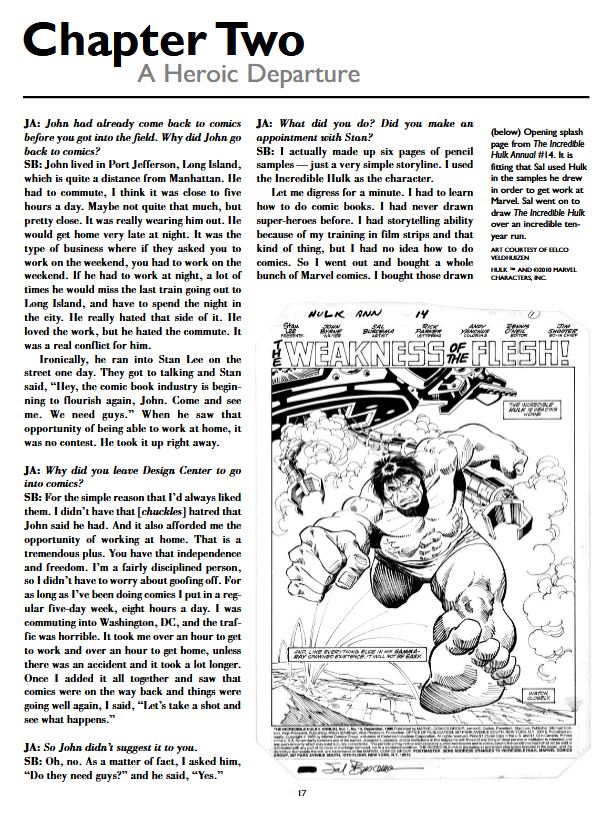
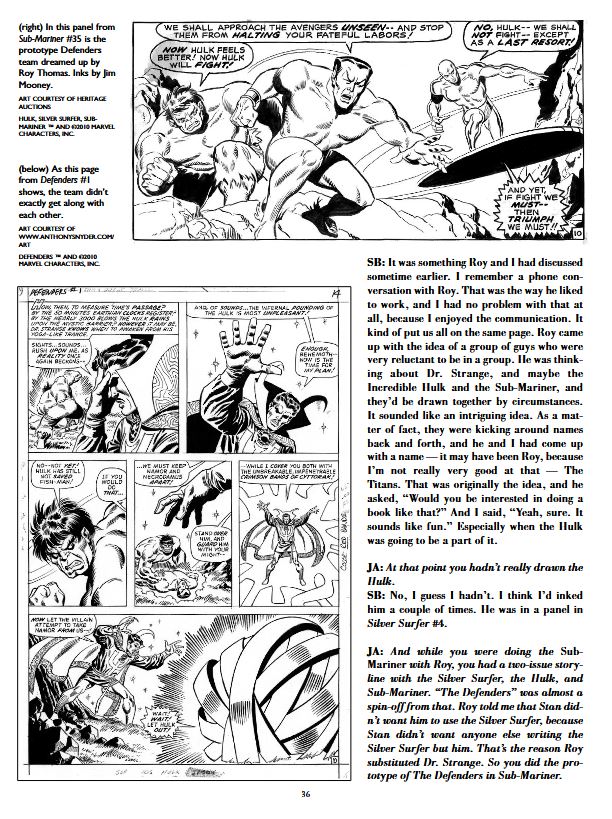
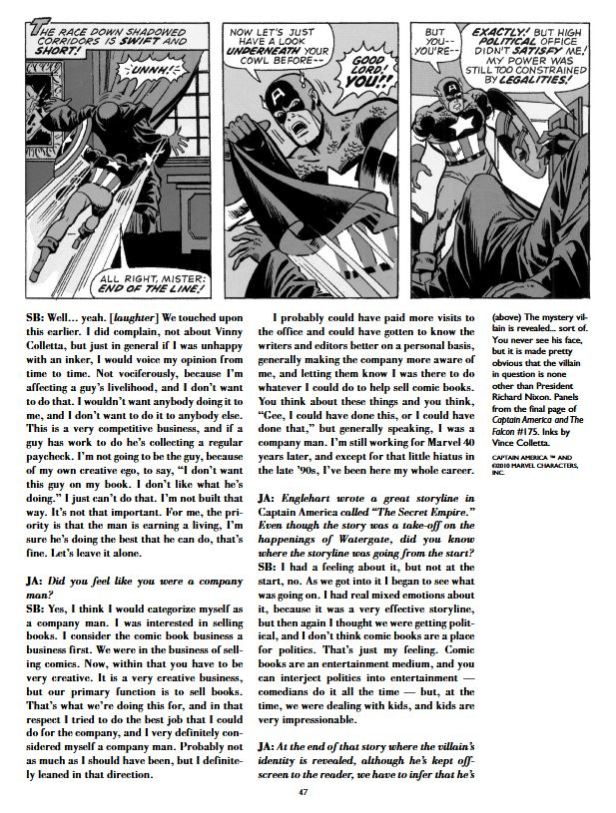
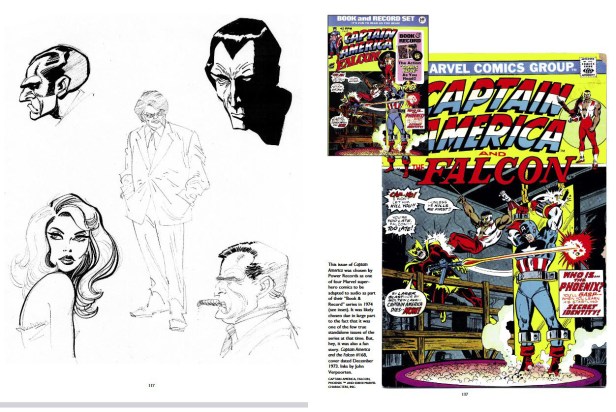
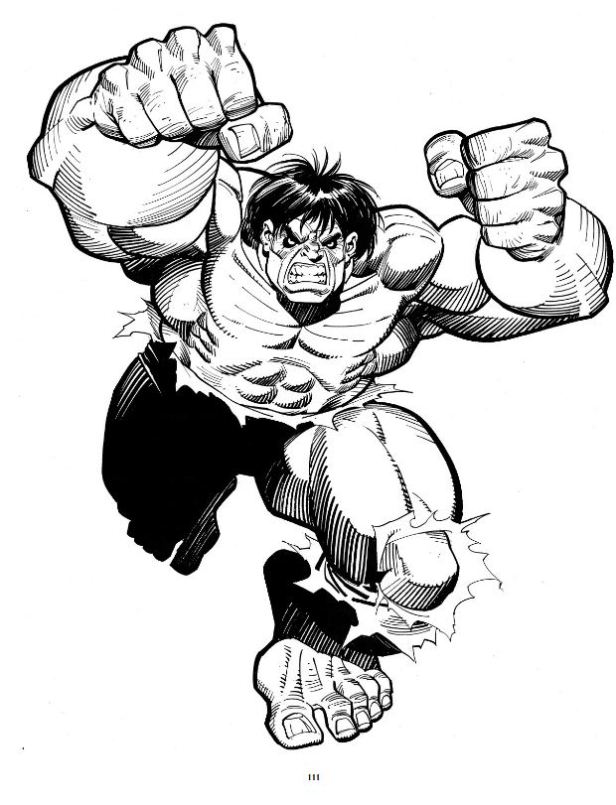
Long out-of-print, Sal Buscema: Comics’ Fast and Furious Artist is nevertheless readily available in digital format at a very affordable price. It’s a must-have for any comic book.
SPECIAL THANKS TO ZAC CAMPBELL FOR HIS CORRECTIONS TO THE ENGLISH TEXT.
 EUREKA-CINEMA